Life in the Philippines and the United States demonstrate two distinctly different experiences shaped by culture, economy, and social values. While the United States is often associated with fast-paced living, individualism, and economic opportunity, the Philippines provides a different perspective, allowing for different daily routines, work environments, and ultimately success and happiness.
The Philippines is known for its strong sense of community, hospitality, close family ties, and a more relaxed lifestyle. In the Philippines, extended families often live together or stay closely connected as they help support one other. Gatherings and parties are very frequent and lively, always coming together to celebrate life with food, chatter, and karaoke. Neighbors commonly know each other and offer help without hesitation, and kids have to expect to move out after turning 18 years old so that they may take care of their elderly when they come of age. In contrast, life in the United States tends to emphasize independence, with teenagers 18 years old or more often moving away for school or work, living on their own, and maintaining a smaller and private social circle.
Another noticeable difference is the cost of living in the Philippines, as it is generally lower. Street markets, local food stands, and public transportation, like jeepneys, make life more affordable and accessible for people. In the U.S., while there is greater access to a wide range of goods and services, bigger expenses like housing, healthcare, and transportation are significantly higher, often requiring more structured and intelligent financial planning.
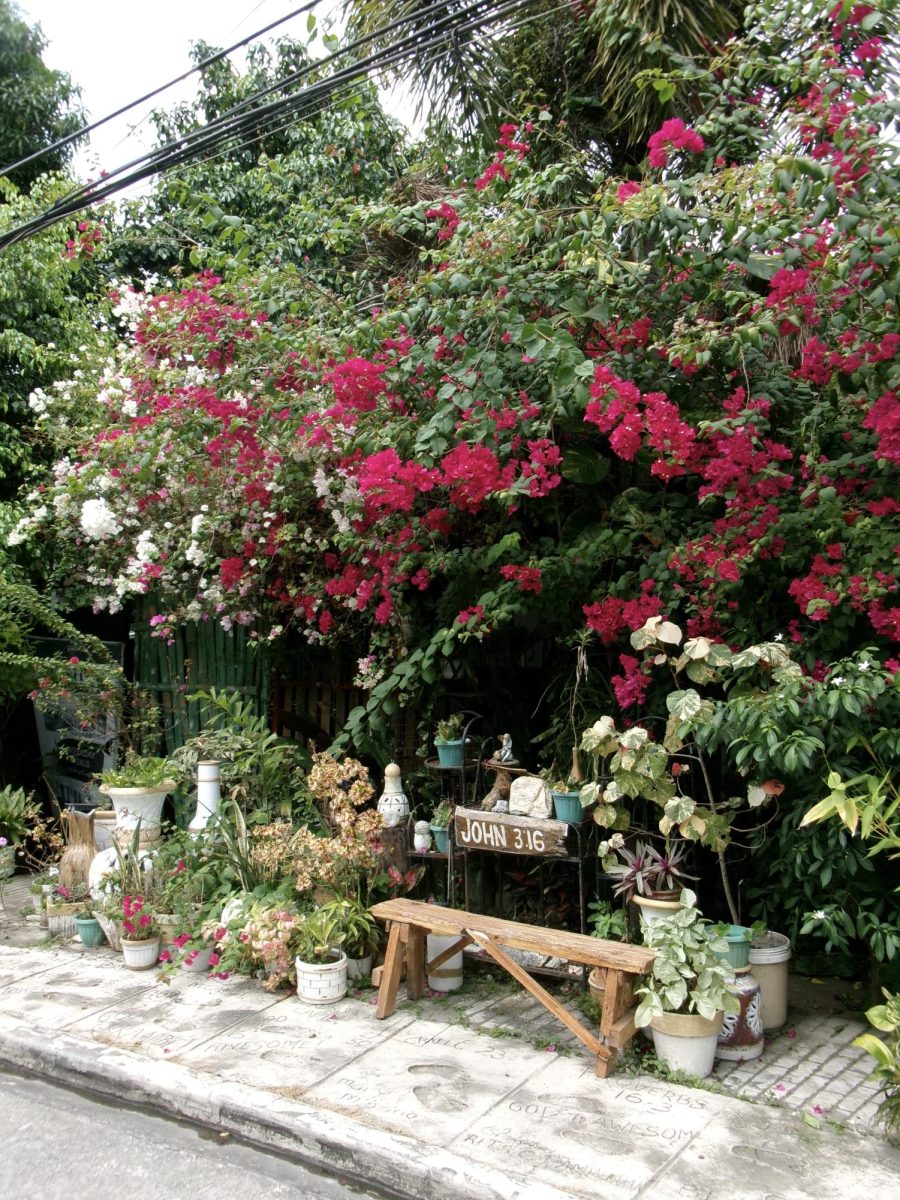
Life in the Philippines is often looked at minute by minute, slowing the day down and allowing one to process their decisions, reactions, and life events. Social interactions are prioritized and commonly seen as people tend to take time to bond and socialize with others whether that’s conversations, celebrations, or shared meals. With that, the tropical weather plays a role in encouraging outdoor living and closer connection to nature, and the streets are filled with people walking, eating, and selling their products. In contrast, life in the U.S. is typically faster-paced, consisting of structured schedules, long work hours, and a strong focus on productivity and efficiency.
Culturally, the Philippines holds a strong emphasis on hospitality, respect, and positivity. It is common for strangers to greet one warmly and instill a deep-rooted sense of optimism in difficult circumstances. Local eats will treat you like their own, shop owners will converse openly, and strangers walk on the street with smiles and greetings.
The Philippines and the United States differ in many ways, each offering their own strengths and experiences. The Philippines highlights the importance of connection, simplicity, and resilience, while the United States emphasized opportunity, efficiency, and independence. These two distinct lifestyles are shaped by history, culture, and the values of their people.