Nintendo, owner of many iconic franchises including Super Mario, Pokémon, Super Smash Bros, and Kirby, has sued a small game development team called Pocketpair over a game released at the start of 2024. That game, called Palworld, has similar functions to the Nintendo franchise, Pokémon. Here’s the rundown on the lawsuit and why gamers should care.
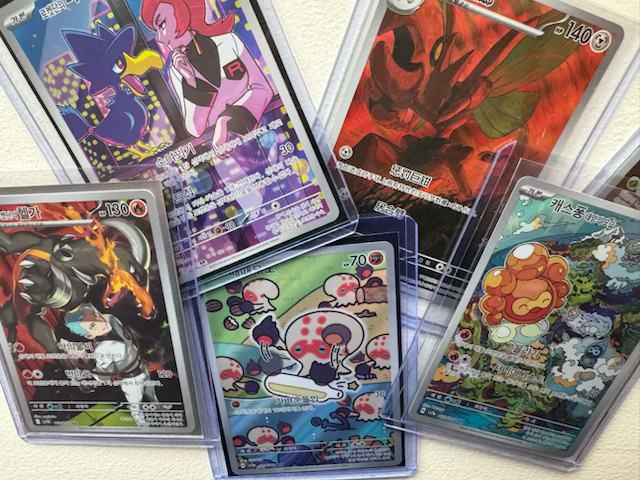
Many students may have played Pokémon in the past, or collected Pokemon cards, but in case you don’t know, Pokemon is a game released back on the Game Boy in 1998. Originally called Pocket Monsters in Japan, Pokémon is a game where you catch creatures called Pokémons. You play as humans, known as Pokémon Trainers, who train and battle using the creatures.
Gameplay for Pokémon is simple; each Pokémon has its own type, which can be water, fire, electricity, air, and others, which have their own strength and weaknesses, depending on the type of Pokémon you are battling. You catch wild Pokémon with Pokéballs, which are stronger depending on the type you have. Some Pokémons are rarer than others. For example, in Pokémon Gold and Pokémon Silver, they introduced Shiny Pokémon, which are basically just the same Pokémon characters but in different colors. The chances of finding one of these cards in the wild in Gold and Silver were slim to none, with your chances being 1 in 8000. However, Shiny Pokémon don’t change gameplay; they just show that the person has luck and or dedication, and are mainly there for collecting, trading, and bragging rights.
Back to Palworld and why Nintendo is mad enough to sue them. Palworld is an open-world game that combines creature collecting, farming, building, and combat, often described as Pokémon with guns. In this open world, you can collect creatures called Pals, each with its own elemental abilities, which players use to catch other Pals using what are called Pal Spheres. Sound similar to Nintendo?
Palworld does have some unique factors, however, like how you have to manage hunger and other harsh survival elements, build structures to survive, and assign your Pals to work in factories and farms. Perhaps the major difference, and why people call Palworld “Pokémon with guns,” is that you can fight alongside your Pal with weapons ranging from something as simple as a basic bow to a full-fledged mini-gun.
Despite some differences, Palworld does appear to use many mechanics and ideas similar to Pokémon. Nintendo noticed and filed a patent infringement lawsuit against Palworld in September of 2024, claiming that Palworld infringes on multiple patents related to gameplay mechanics. In its lawsuit, Nintendo is targeting three main things: creature capture and release, creature combat and movement, and Palworld’s mounting and riding system, which Pockerpair claims is not unique to Pokémon and appeared in other games, like “Ark: Survival Evolved” and “Monster Hunter 4 Ultimate” long before Nintendo filed its patents.
In fact, the Japan Patent Office (JPO) recently rejected Nintendo patents for their mechanics, ruling they already existed in prior art. On Nov. 3, 2025, the director of the U.S. Patent and Trademark Office (USPTO) ordered a re-examination of Nintendo’s patent for summoning a character and letting it fight. Pocketpair has made some changes to the game, like changing how players glide and summon creatures. Some viewed this as a “good faith” gesture, which appeared to be confirmed by this statement by Pocketpair: “As many have speculated, these changes were indeed a result of the ongoing litigation. Everyone here at Pocketpair was disappointed that this adjustment had to be made, and we fully understand that many players feel the same frustration.”
Meanwhile, Nintendo has taken the unusual step of slightly changing the wording of its own patent mid-lawsuit, which some legal analysts have taken as a possible sign of weakness in their lawsuit. The outcome is unclear as the lawsuit is still ongoing, and a conclusion is unlikely in the near future. This could cause some serious problems for indie games such as Five Nights at Freddy’s, Bendy and the Ink Machine, and Undertale, as it could make some indie developers too scared to publish innovative games.
So while Nintendo may ultimately win in the patent infringement war, they may end up losing with their most important possession of all: their fans.