-
Graphic made in Canvas by Fluco Journalism. All photos courtesy of Elijah Harris.
-
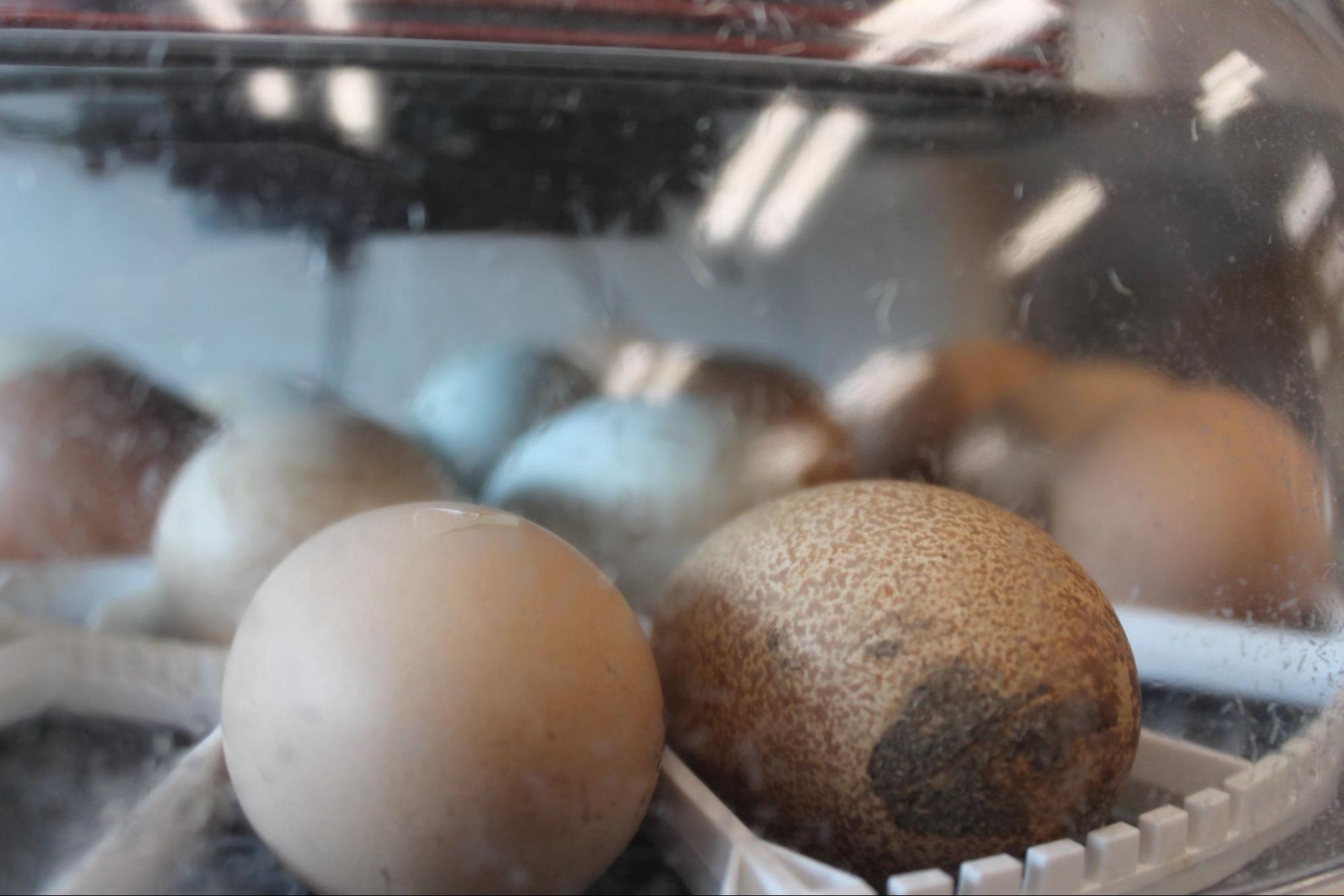
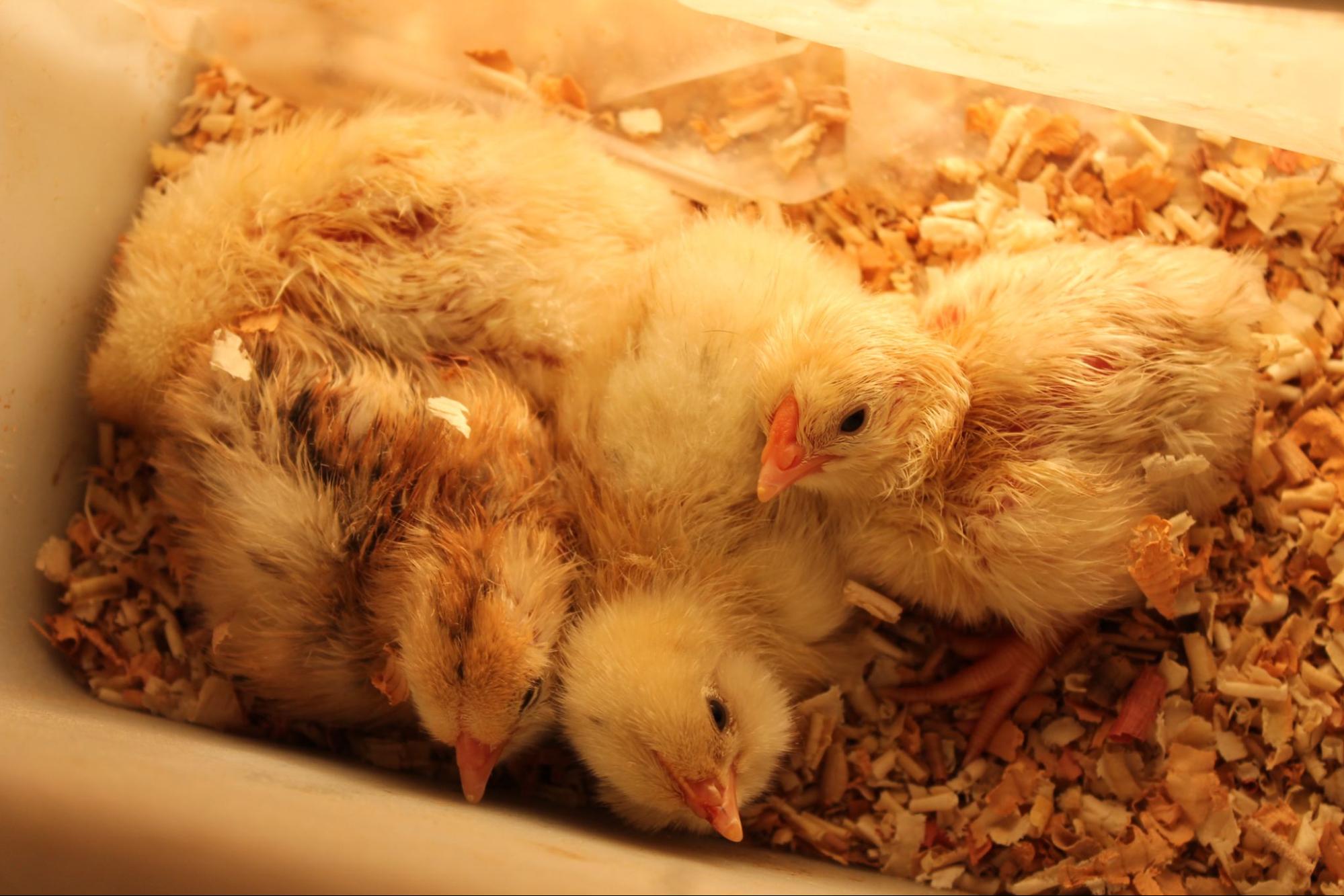
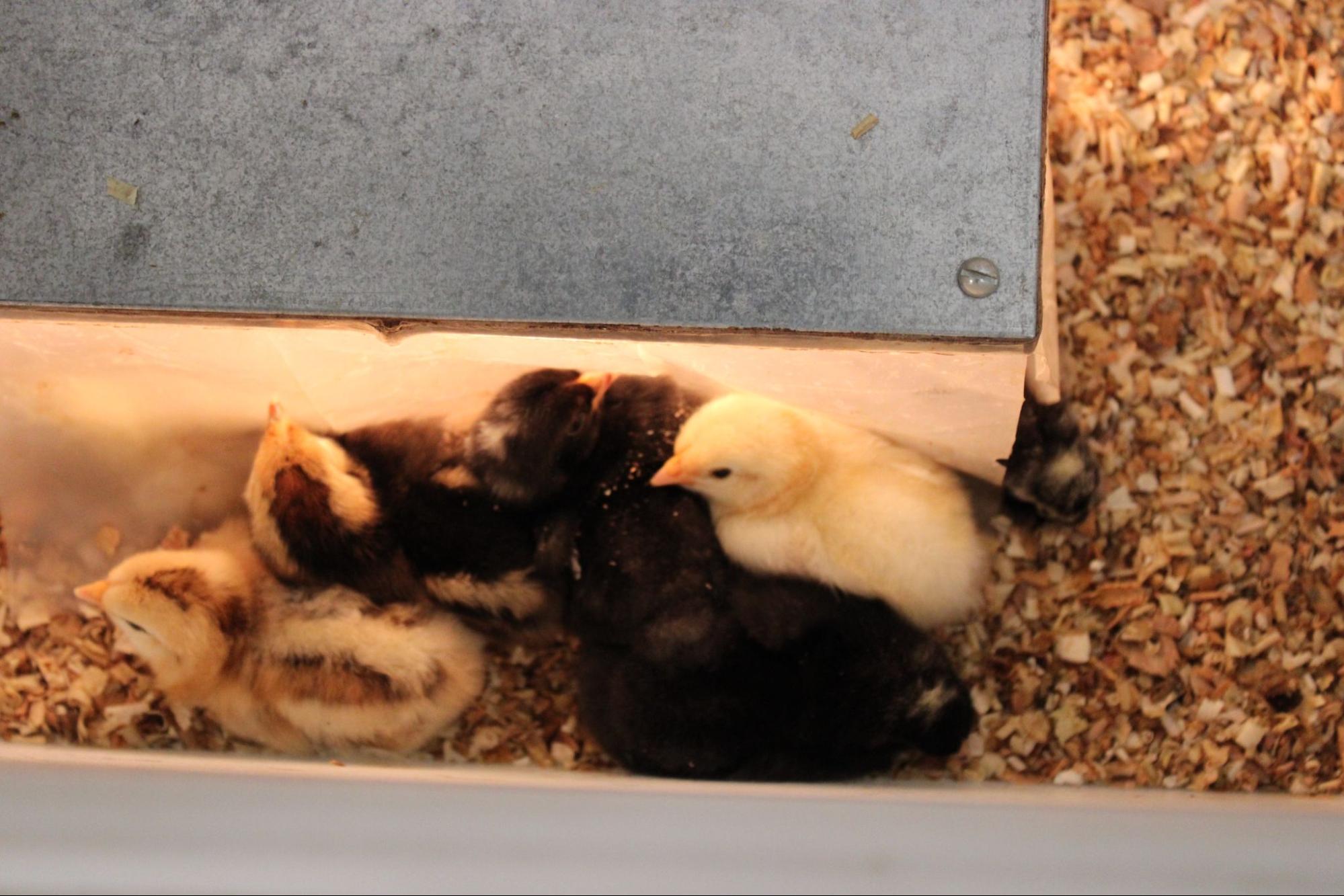
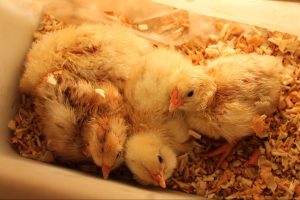
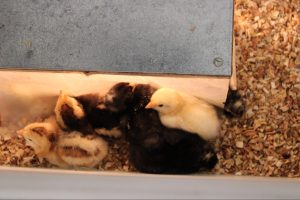
Every year for the past 12 years, science teacher Craig Conners and his class have incubated chicken eggs in a demonstration of raising chicks into chickens and to reinforce new content in the curriculum. “The chickens made it easier to learn messaging and animal behavior,” said sophomore Emma Monfalcone, “the chickens all displayed similar behaviors when they hatched. When they were placed in their box, they all gathered at the heat lamp because they were trying to find heat.”
-
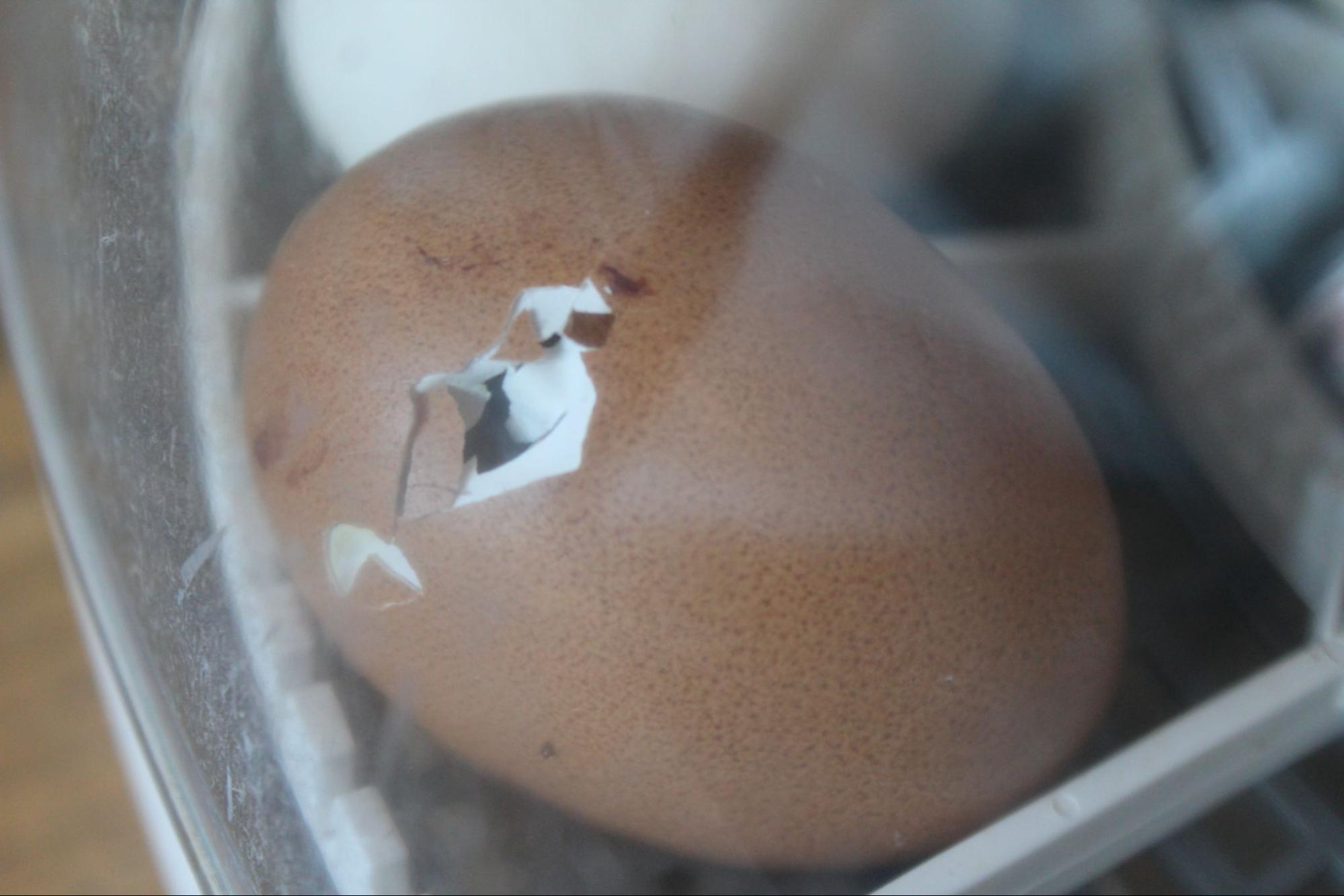
For the students, watching the eggs hatch is an exciting and informative experience. It gives them an opportunity to watch something they may have never seen. “It was exciting because everything was so new to them and they were interested in everything,” said sophomore Ann Kraft.
-
The chicks are incubated at exactly 99.5 degrees fahrenheit for around 20-23 weeks before they start hatching. Once hatched, they are fed and watered inside the school until they are mature enough to be moved outside. Once moved into a chicken coop, they continue growing and being cared for until they are adopted or moved to Conners farm.
-
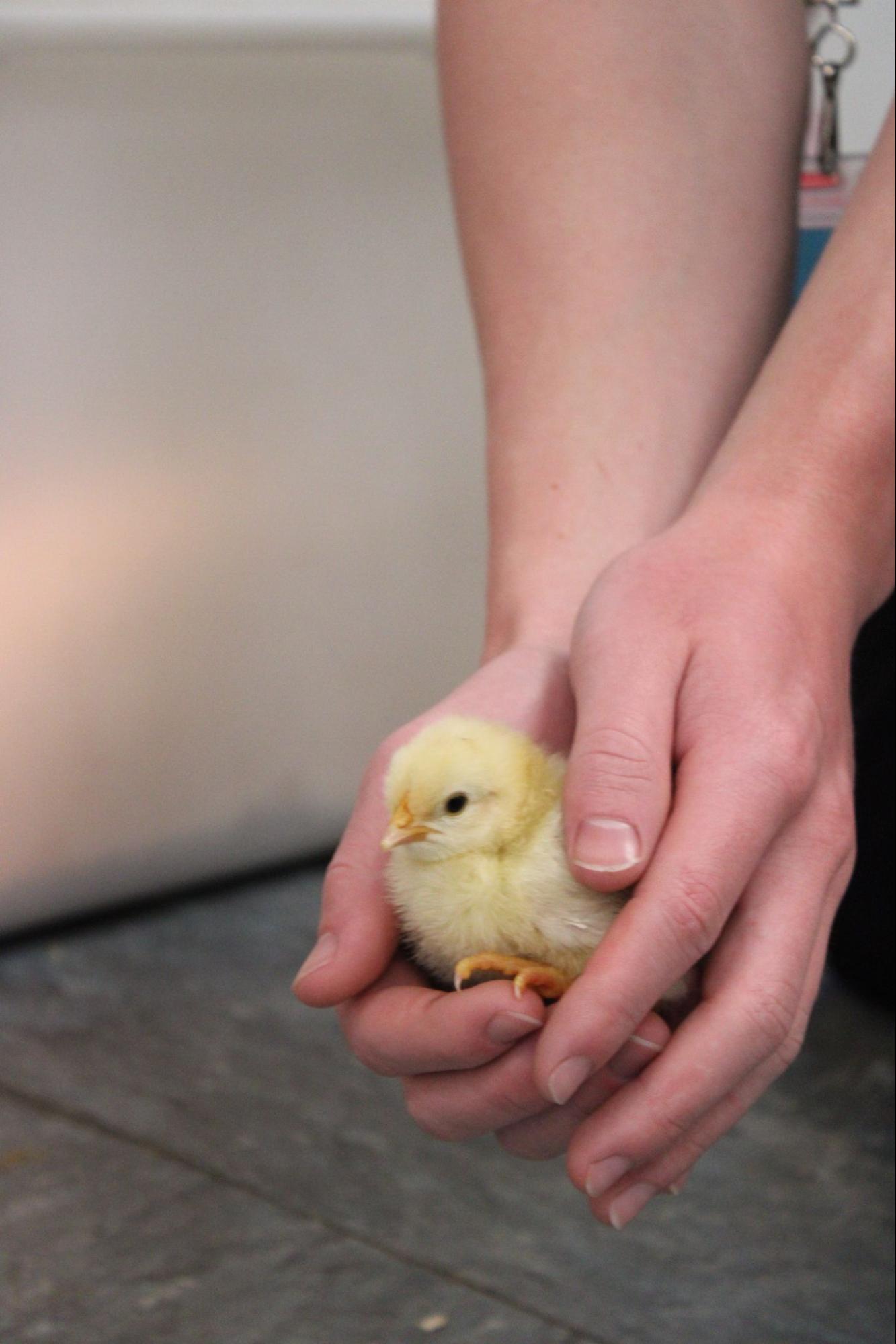
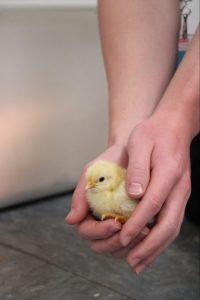
Conner allows students to hold the chicks. This teaches the students how to handle chicks and small animals with care. This is an important lesson especially today because not many kids have experience with farm animals and how to properly care for them.
-
When the chicks are matured, Conner allows students to fill out a form for an opportunity to adopt one of the chicks. If not, then Conner will take the chicks with him back to his farm. The chickens will have a warm home to have a good life no matter where they go.
An Hour In… Conner’s Hatching Chicks
April 6, 2026

More to Discover