


Everyone is born with curiosity. From birth, children ask why, how, and who, among many other questions. However, as students grow and new generations move up, they seem to shift from curious learning to a learning plateau. Students get to a good point of understanding and knowledge, and they become comfortable, losing their sense of curiosity. It’s often easier to live as an expert who knows, rather than a student who grows.
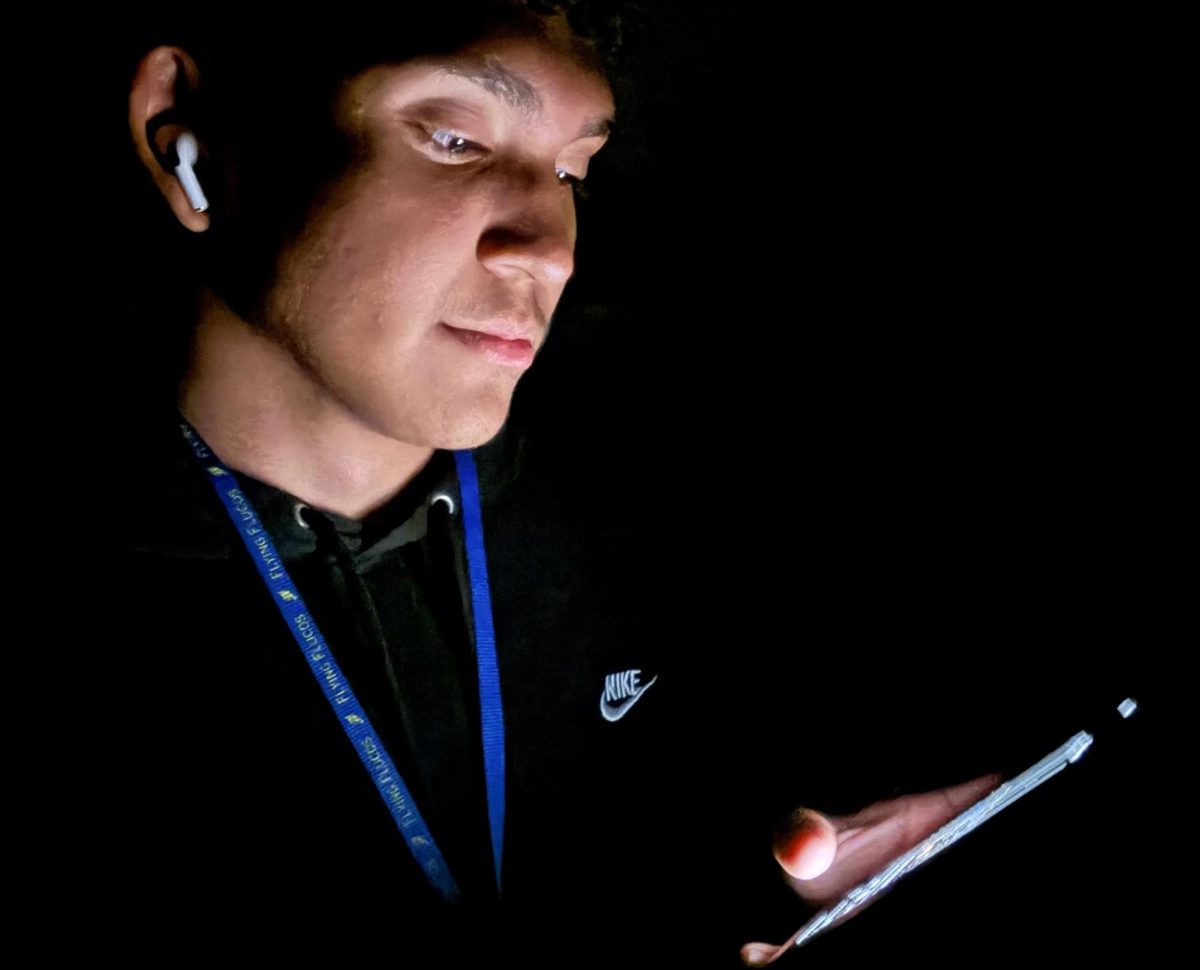
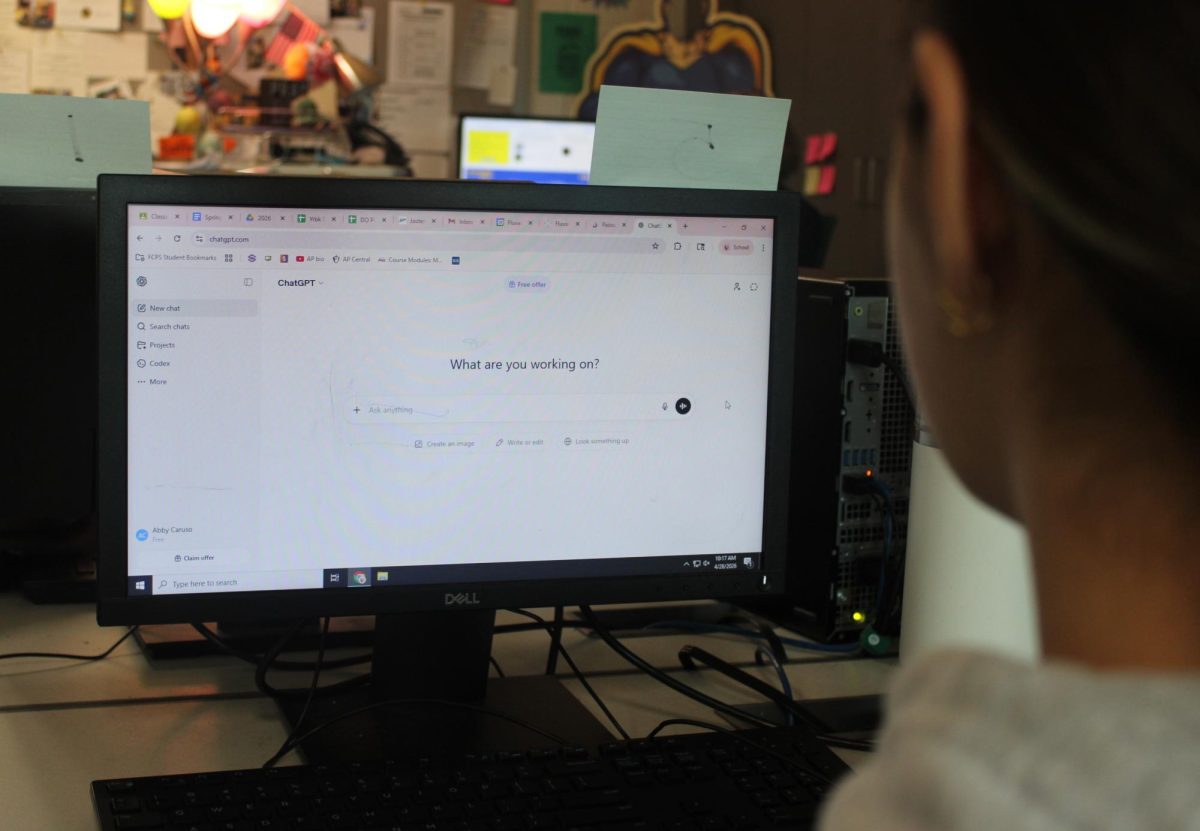
Sometimes, students may be forced to learn, but the intentional work to stretch their perspectives and reach new depths of learning can slow as they move from curiosity to being complacent. The world is constantly changing and evolving, and society is exposed to otherworldly things. Students are bombarded with new technology, social media, and news. This exposure can create apathy and a lack of surprise, as everything becomes normalized when it’s viewed daily. It’s hard to sympathize with something behind a screen when it seems out of touch with one’s own reality.
As the world shifts to become more industrialized, curiosity and learning are essential. The speed of change creates constant innovations nowadays, requiring the ability to learn and adapt. A student that finds themselves complacent with their knowledge, but lacking curiosity and willingness to learn and grow, can find themselves becoming irrelevant and lacking critical skills to thrive in the world now.
The idea of knowing contributes to the death of curiosity. When students think they have learned all they need to know to be an expert in a topic, the desire to learn shuts down. Instead of fostering curiosity, students attend to their routine of knowledge they’ve become comfortable with. Ego suffocates the desire to learn as well. The ego wants to know, and be competent and safe. There’s a sense of power that comes from knowing. The fear of the unknown can make students feel vulnerable or small.
Reconstructing curiosity is a difficult task, but worth the struggle. An environment where curiosity is encouraged can be a playground for new innovations, discoveries of new solutions to problems, and uncovering better ways to do things. It gives students permission to fail and learn when things don’t work out. Students can feel happier and freer knowing that they won’t be in trouble for taking a risk. A space for freedom, happiness, and excitement can draw more people to the space as well. When the brain can be curious, it begins to make new connections. Students can see things they did not see before.
Curiosity can be created through observing one’s environment. Students can take time to be present in the moment, without the distraction of modern technology. Curiosity requires study and wonder, and asking questions can challenge students to understand the deeper layers of the world around them. It can be important to make a habit of viewing different beliefs and listening to different perspectives. This can generate natural curiosity and expand students’ understanding of different ideas and thoughts. Most notably, students can always try something new. When students are faced with an intentional challenge, it causes them to be more conscious of what they are doing. Change allows for the discovery of things students may have missed.
The lack of curiosity is affecting this generation. Students are losing their desire to learn and grow. In an article from TribecaTherapy, they wrote, “In particular, being curious about yourself feels like a foundational way of caring for yourself. These days when your attention is pulled in so many directions, including from your phone and digital world, drawing your attention inward is special in and of itself. Curiosity can be simply defined as a desire to know, but it also comes with a decision to be in a place of not-knowing.”



Quinn • Mar 24, 2026 at 11:22 AM
I really enjoyed this, I thought it was extremely well written and insightful. I especially enjoyed the quote, “everything becomes normalized when it’s viewed daily.” I thought it was very indicative of the world now.