Oil prices have shot through the roof since the U.S. bombed Iran on Feb. 28. Iran controls 9-12% of the world’s oil, and also controls the Strait of Hormuz, where 20-30% of oil passes through. The Strait of Hormuz is the world’s most crucial and biggest maritime passage for oil, with 20-21 million barrels of oil transported out per day from the Strait of Hormuz. Iran’s IRGC (Islamic Revolutionary Guard Corps) controls traffic in the waterway. As of March 2026, Iran has restricted access to the strait for ships linked to the U.S. and its allies.
As a result, as of March 25, oil and natural gas prices have shot up to $98.94-$99.91 per barrel, with oil regularly being $87-$90 according to Trading Economics. Why has the price of oil gone up, despite the U.S. being the world’s largest oil producer? After all, the U.S. churns out roughly 13 million barrels of crude oil a day, according to the Energy Information Administration (EIA).
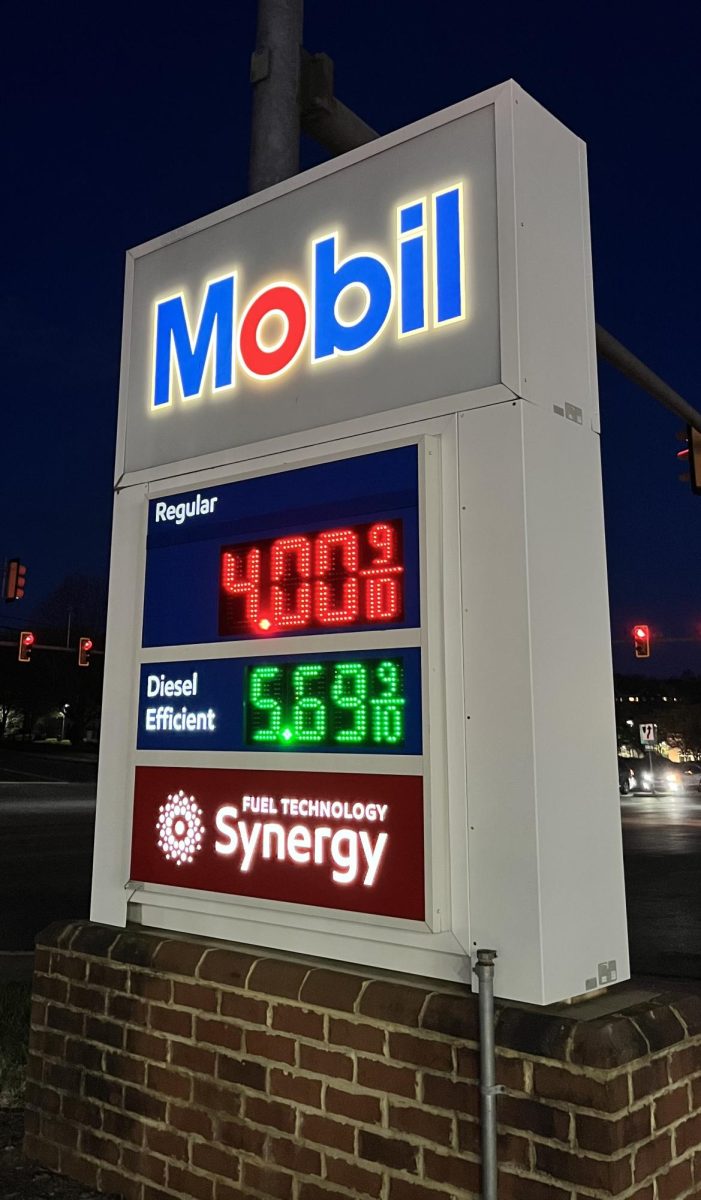
The increase came after Iran and Qatar said Israel struck South Pars, a vast offshore gas field shared by the two countries, in an airstrike that affected Iranian facilities. After the strike, the average national gas price in the U.S. rose to $3.84 a gallon. In contrast, one month prior, the average price of gas had been $2.92, according to AAA. Meanwhile, a gallon of diesel has shot up to more than $5, the highest price since late 2022.
Many countries around the world have now told their citizens to conserve oil, to limit driving, or to walk to their destinations. According to Forbes, Myanmar, Vietnam, and the Philippines get up to 80% of their oil from Iran. The Philippines and Pakistan have now implemented a four-day work week to reduce the amount of fuel being used. Countries like Vietnam, Thailand, and Indonesia have now allowed many of their citizens to work from home or walk to work to persevere and save as much fuel, with Thailand also having many of the office buildings’ air conditioning systems set to 27°C.
Numerous Asian countries have also closed schools. According to Reuters, Pakistan has closed schools and ordered remote work for 50% of the country. Bangladesh closed all universities and brought forward holidays to reduce the use of electricity and fuel. BBC News notes that Sri Lanka declared Wednesdays as a public holiday for schools and universities to conserve fuel.
However, things may be changing. On March 25, Iran opened the Strait of Hormuz to non-hostile ships, but excluded U.S. and Israel-linked vessels. Some countries that Iran qualifies as non-hostile are India, Turkey, and Pakistan. All have reportedly secured passage for their ships through the strait after engagement with Iranian authorities, according to Wionews.com.