For many educators, teaching during the 2025-2026 school year has been both challenging and beneficial, marked by efforts to build strong relationships with students and help them grow academically and personally.
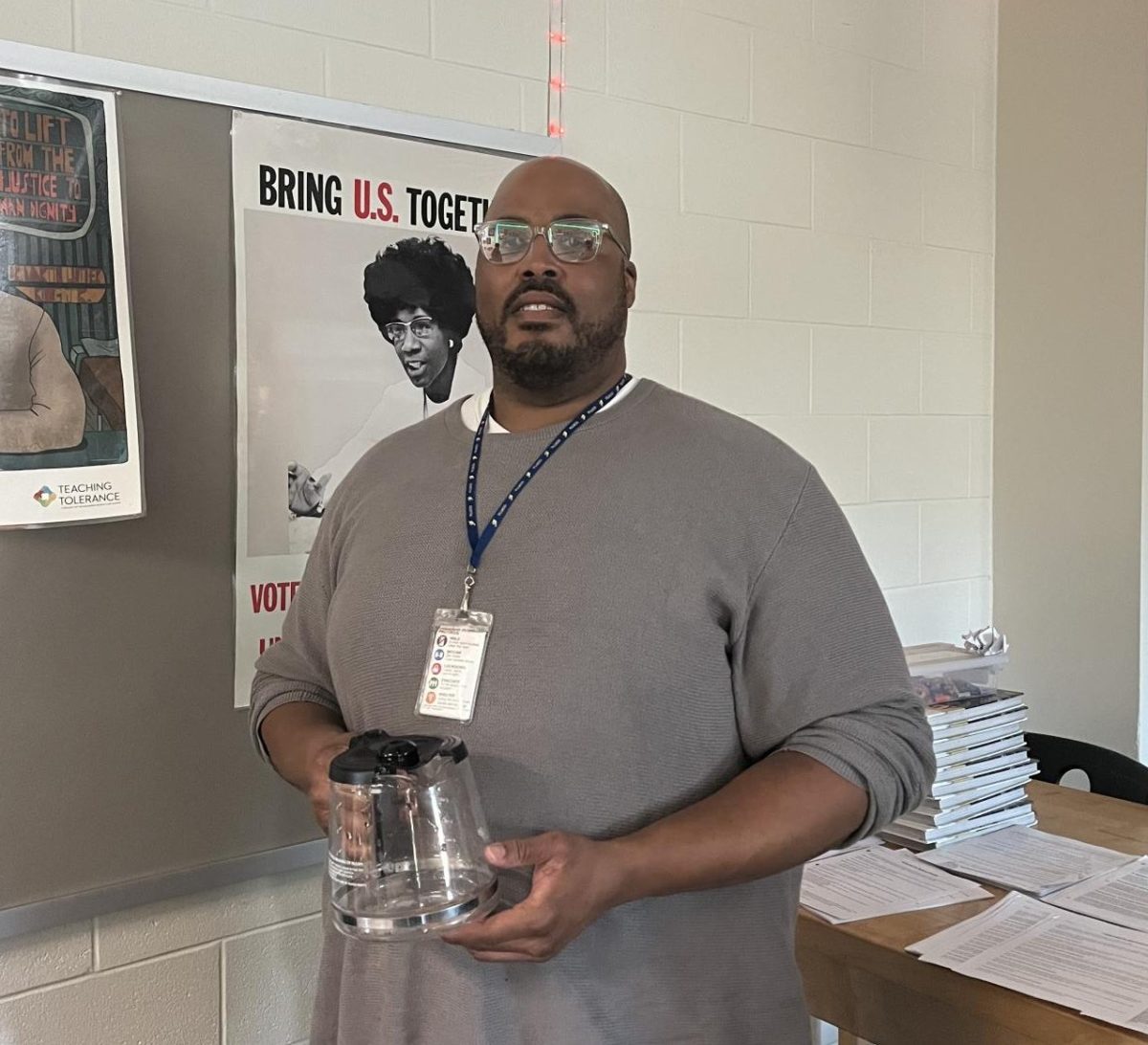
“This year has reminded me how important it is to build connections in the classroom,” said African American Studies teacher Alexander Burruss. “With the assignments I create, I tend to make them group projects so students can interact and get to know their peers more. And I try to ask them questions as much as I can,” said Burruss.
With the school year coming to an end in only four months, some teachers have noted that not only are students exhausted by the end of the day, but they are also burnt out. “When I see a student stressing I tend to invite them into my class during Fluco Win so they can get the extra help they need,” said Spanish III and IV teacher Gladys Guzman.
Students often express that balancing classes with outside responsibilities like jobs, sports, and volunteer work can be stressful and lead to burnout. However, teachers face pressures of their own that are often overlooked. It can be hard for them to juggle three or maybe even four classes and not get frustrated or drained.
“I had large classes last semester, and I was exhausted by 2 p.m. The pressure to do and give all of my energy, care, and love to three classes can sometimes be stressful,” said Guzman.
English 11 teacher James Houghton agrees. “People see the hours we are in the classroom, but they don’t always see the grading, planning, and emails that continue long after the school day ends,” he said.
Many teachers are expressing concern about how their students will perform on exams and SOLs, especially given the days lost due to snow closures.
“I have been feeling increasingly anxious based upon my students´ performances on classroom assignments and assessments, as well as state testing,” said Houghton. He said that despite the new phone rule and students not being allowed to have them out in class, many are still being distracted by their devices and even trying to use them to cheat or check social media.
Ultimately, sometimes teachers realize that students are responsible for doing the work, and that the best thing they can do is be there for their students.
“The best strategy that worked for me in my classroom is by mirroring the behaviors and techniques I want the students to show me,” said Houghton.