You may have heard about it, but what exactly is a government shutdown? According to the BBC, this means that many, though not all, U.S. government services are temporarily halted, and approximately 1.4 million federal employees are either on unpaid leave or continuing to work without pay.
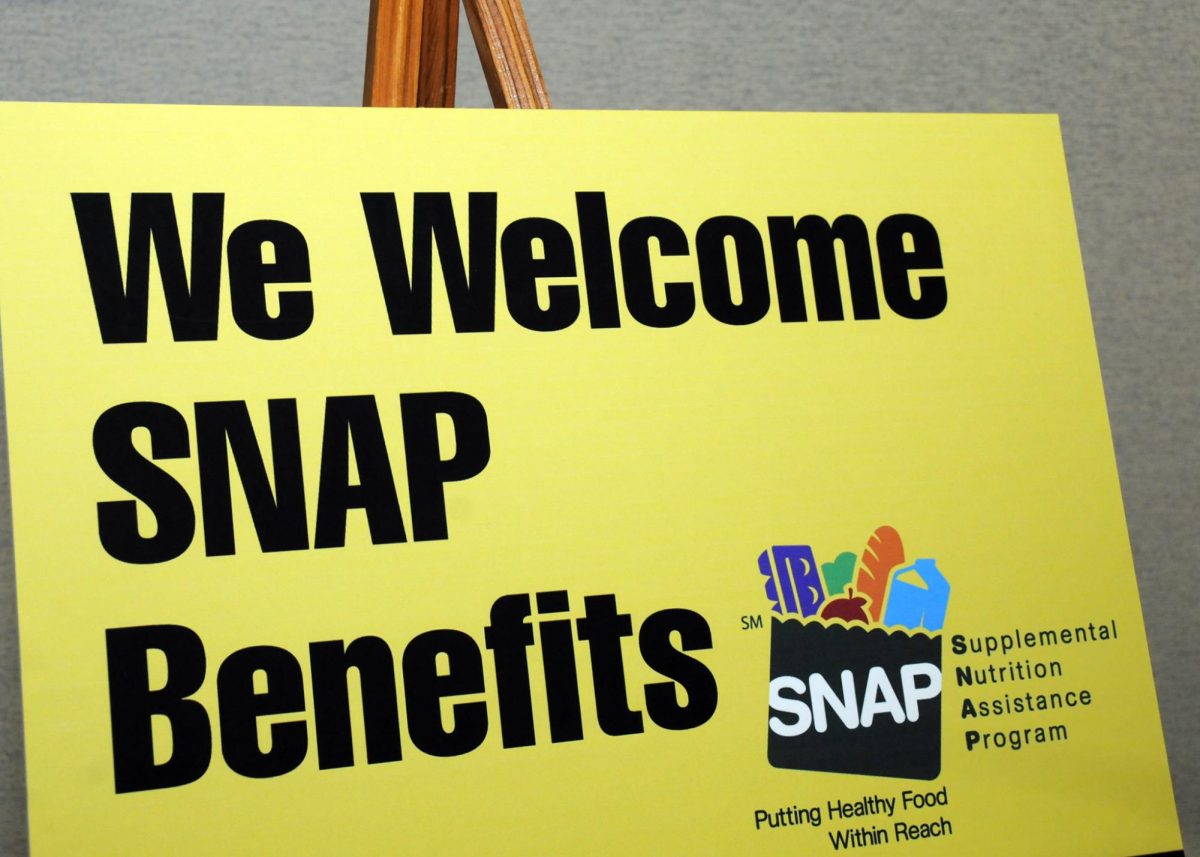
Republicans and Democrats could not agree on passing a bill that would fund government funding through Oct. 1. One of these government services is SNAP, also known as the Supplemental Nutrition Assistance Program.
“The prolonged U.S. government shutdown is putting millions of Americans at risk of missing their November food stamp benefits, a vital lifeline for low-income households…SNAP recipients receive an average of $187 a month on a prepaid card, and many families rely on those benefits as their main source of money for food,” notes one CBS article.
The shutdown affects not only low income families, but also children, and people aging out of foster care.
“Youth aging out of foster care, many of whom rely on public assistance once they leave the system, are particularly vulnerable to facing food and housing insecurity,” said Angel Gray, Program and Policy Manager at Westchester Children’s Association, shared with The Imprint.
The shutdown can also affect families facilitating family reunification.
“Families working toward reunification could lose everything,” WTOC anchor Tyler Manion warned in a recent report.
The numbers back up his concern: First Focus on Children estimates that more than 155,000 children could face housing instability if proposed federal funding cuts move forward. Regardless of political affiliation, few dispute that the consequences for struggling families could be devastating.
As of publication, there is some hope that the shutdown may end soon. On Nov. 10, the United States Senate voted 60-40 to pass a compromise funding bill designed to reopen the government. Eight Senate Democrats broke with their party to join Republicans in supporting the measure, which includes a continuing resolution to extend funding through January 30, 2026, and attaches three full-year appropriations bills.
The next step lies with the House of Representatives, which must now vote to agree to the Senate’s version of the funding package. If the measure clears the House, it will be sent to President Donald Trump for his signature. Trump has indicated that he intends to sign the bill if it reaches his desk, potentially bringing the shutdown to a close within days.
House leaders are expected to take up the legislation later this week. If the process moves forward without delay, millions of federal employees could return to work soon, and vital government services may resume, after one of the most disruptive shutdowns in recent years.
Editor’s Note: On Nov. 12, the House voted 222-209 to end the shutdown, which was the longest in U.S. history, at 42 days. President Trump was expected to sign the bill into effect that evening. According to CBS News, SNAP benefits were expected to resume quickly.