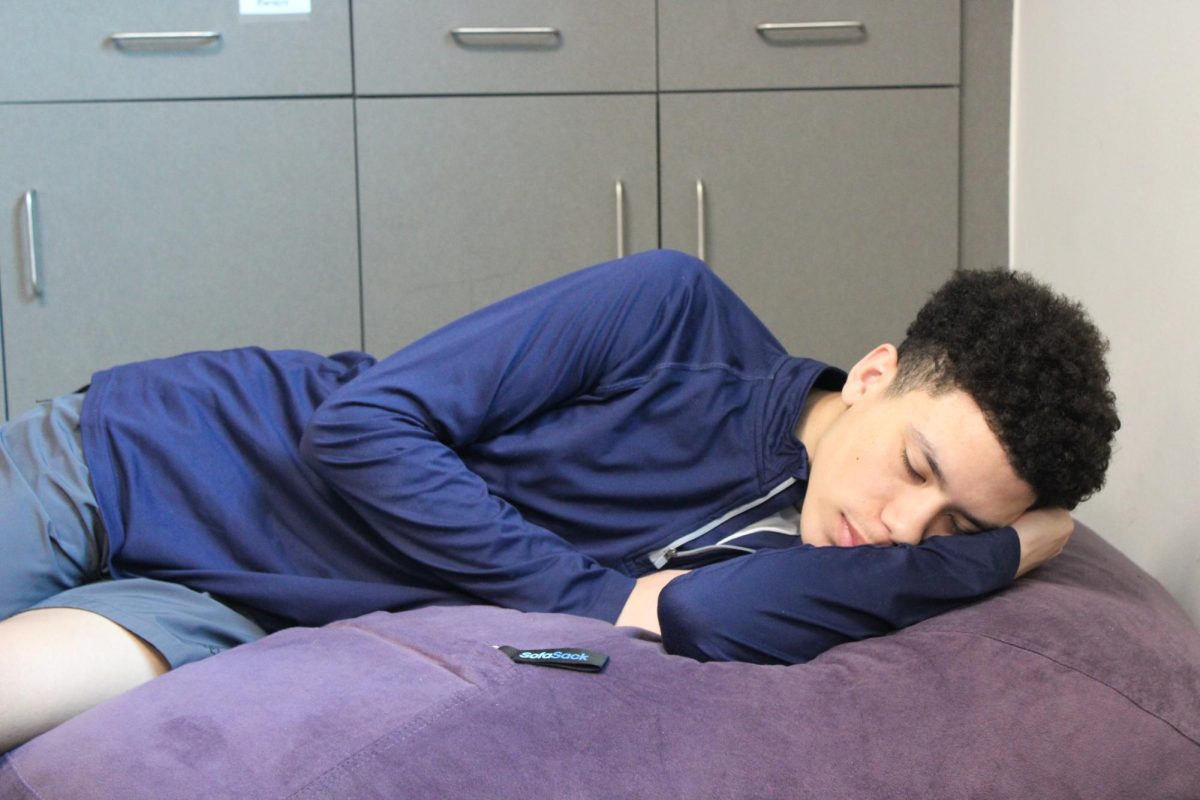
Did you know that getting less than seven hours of sleep raises the risk of heart attacks by 20 percent? According to the CardioVascular Group (CVG), it is recommended that teens get seven to eight hours of sleep as little sleep can affect the development of the brain and body. Going to sleep late and waking up early can lower the efficiency of someone drastically. People who get more sleep are more likely to have energy and be more productive when working. Not getting enough sleep could be unhealthy for students who need sleep to grow and be productive.
Starting students day earlier could be bad for both their mental and physical health. Additional studies from CVG show that over 15 percent of teenage car crashes are caused by sleepiness or drowsiness and about 1 in 7 young drivers have admitted to falling asleep while driving. If the day were to start earlier, those numbers would rise drastically, causing more teenage car crashes overall. High school drivers are already new drivers and this lack of experience combined with being tired could end with injuries and possibly deaths. Most teenage students wake up around 8am. According to The Conversation most students need 10 to 12 hours to be efficient while in class.
“Early school start times can be dangerous because tired teens have slower reaction times and less focus while driving. Sleep-deprived students are more likely to make mistakes or fall asleep at the wheel. Research shows that later start times reduce car crashes among teen drivers,” said FCHS Principal Margo Bruce.
If schools started later instead of earlier, students would have more time to get enough sleep and be more alert when driving. This would help reduce the chances of falling asleep at the wheel and improve their reaction time. Being well rested also helps students focus better, make safer decisions, and stay aware of their surroundings on the road. Later start times could make a big difference in keeping teenage drivers safer and lowering the number of accidents.
In addition, according to Sleep Foundation , some people think that starting school early can have a negative effect on performance in school. “Honestly, I don’t think start times have much of an impact on GPA or standardized test scores. In my opinion, the more concerning issue is how much time students spend on Chromebooks and cell phones. Also, I believe students spend far less time reading and using critical thinking skills, which has a negative impact on those areas,” said math teacher Amy McCauley.
It is important to take into account that teenagers naturally have different sleep schedules than adults. Their bodies tend to fall asleep later at night, making it harder for them to wake up early in the morning. According to Kids Heath, eight to ten hours of sleep is ideal for students to be their best and work their hardest academically.
When they are forced to wake up too early for school, they often don’t get enough sleep, which leads to exhaustion throughout the day. This constant lack of sleep can affect their mood, focus, and safety, especially when driving. Allowing later school start times would better match teenagers, natural sleep patterns and help them stay healthier and safer.