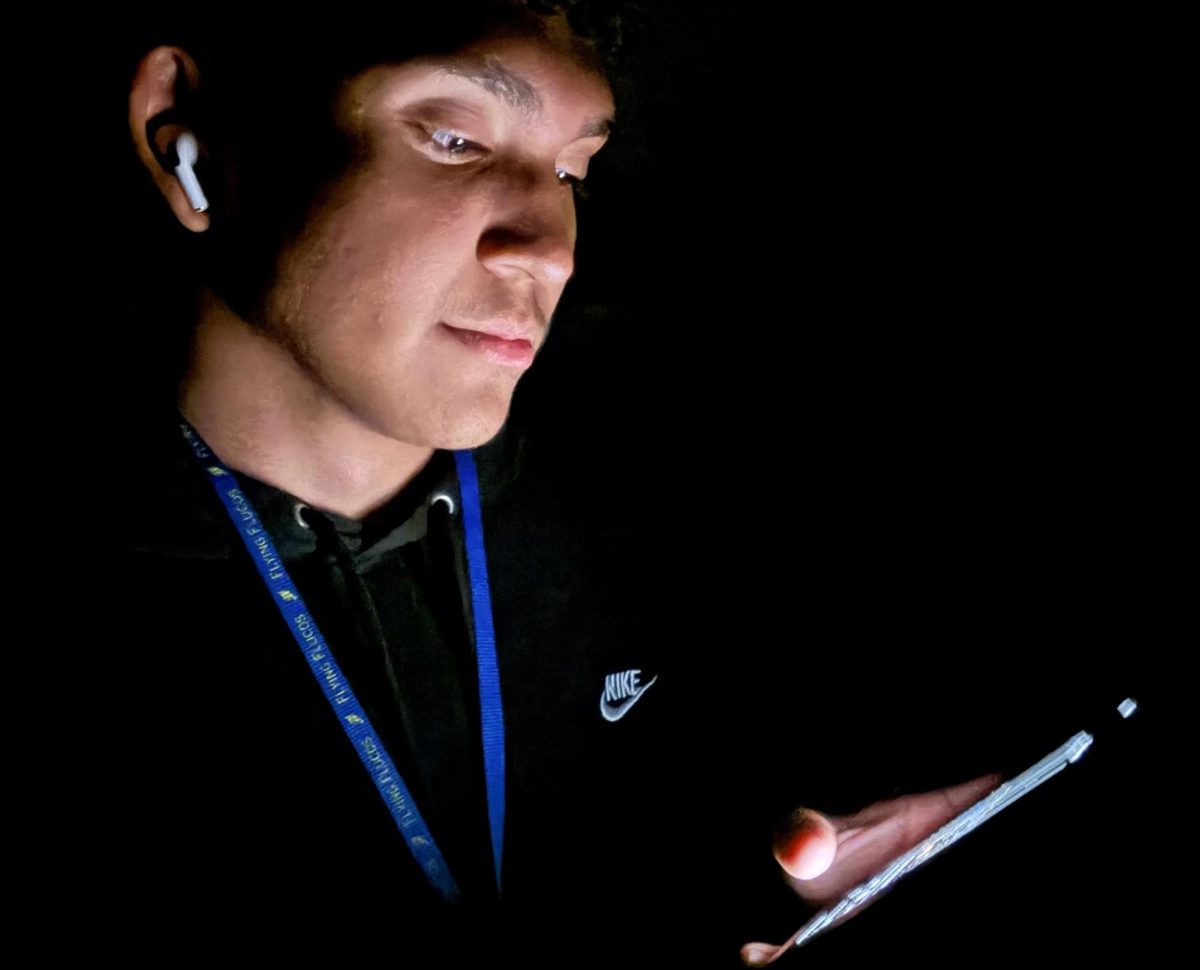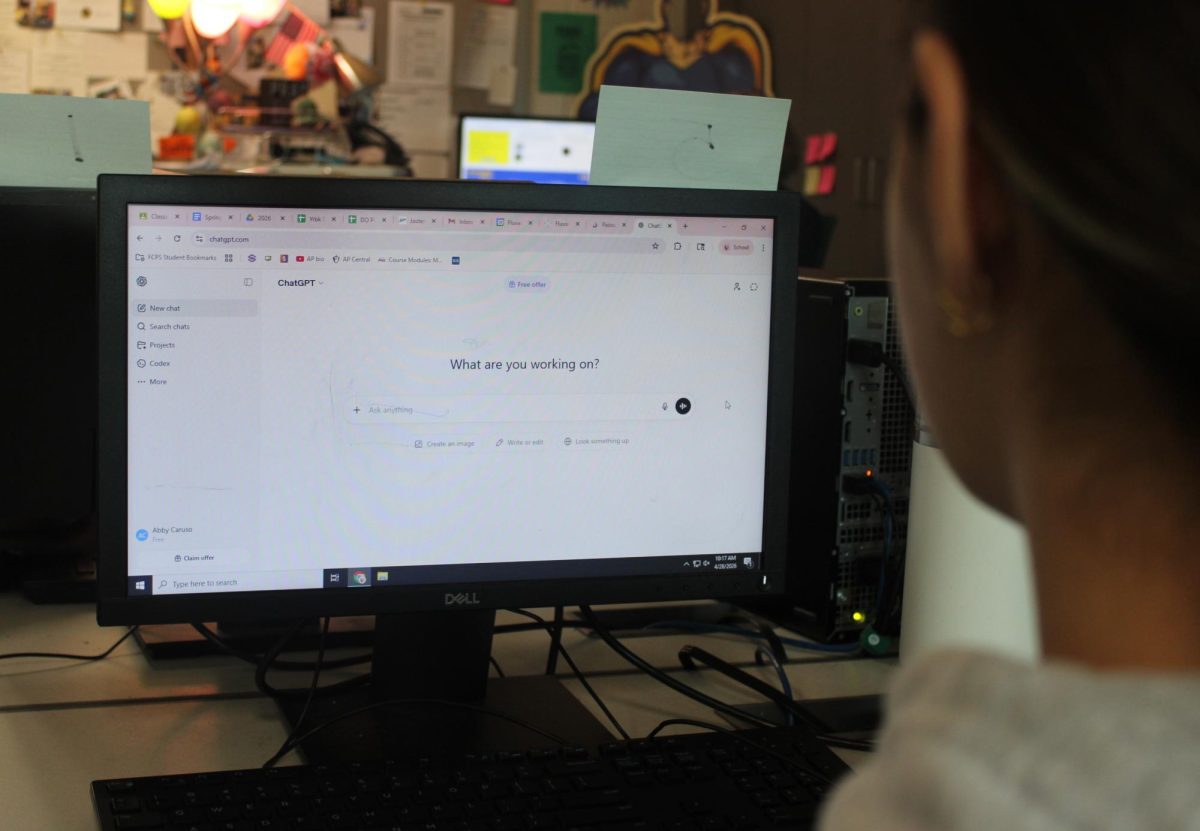
Millions of people send messages, snaps, and post their lives in seconds. But the same apps that help us connect with each other may also be changing how friendships can change and actually work. Social media is a fun way for people to stay connected and maybe enjoy watching short videos and posting pictures.
“I think social media makes it way easier to stay in touch, but it makes some friendships feel more fake and ”surface-level,” said junior Savannah Brown.
Social media platforms let people share funny videos and news or important information and stay involved in each other’s lives even when they cannot see each other in person. On the other hand, being online or on social media can have a negative effect of making friendships feel less special, which can lead to boring conversations or just short phone calls.
“I think social media has made friendships more shallow because not very many people make phone calls anymore. Most just text, which is fine if that’s not your main form of communication. It is very hard to interpret emotion over text, which is why friendships have grown to be more shallow,” said sophomore Riley Jernigan.
So while social media can help people stay connected, strong friendships still need effort, trust, and face to face conversations to stay deep, special, and meaningful.
“I think social media has made it both easier and harder to maintain friendships. It has made it easier to stay connected but it also makes it easier to be a part of drama,” said junior Mehki Anderson.
Social Media can lead to drama, but it also helps people stay connected. Usually, a key factor of the drama is a lack of tone and attitude when talking to friends or family which can start problems and or confusion. On the positive side, texting or even facetiming lets friends stay connected in each other’s lives everyday in a way which used to be difficult, especially when people live far apart.
“People don’t put in the same effort into friendships as they did in the past. This is because people can just text someone a quick ‘hey, how are you?’ and call it a day. They don’t follow it up with any deep conversations,” said Riley Jernigan.
This change in communication not only affects how much effort people put into friendships, but also changes how people feel to show or put themselves online. As social media becomes a big part of daily interactions, having profiles is a key factor of online communication.
“Yes, I feel that more people want to hang out with popular people than people they like. The internet has had a big influence on who people choose to be friends with,” said Mekhi Anderson.
The internet encourages popularity by showing things like how many followers people have or maybe even likes and comments. Which can be a huge factor because maybe social media shows the fake sides of people or even hides their true selves.
Friendships today exist online and in real life, and social media has changed how people stay connected. While these platforms make communication quick and easy, they cannot replace the effort that strong relationships require. Real friendships grow through time, trust, and meaningful conversations that are much better than texting. As social media shapes how people communicate. It is important that technology helps build friendships rather than making them fall apart.