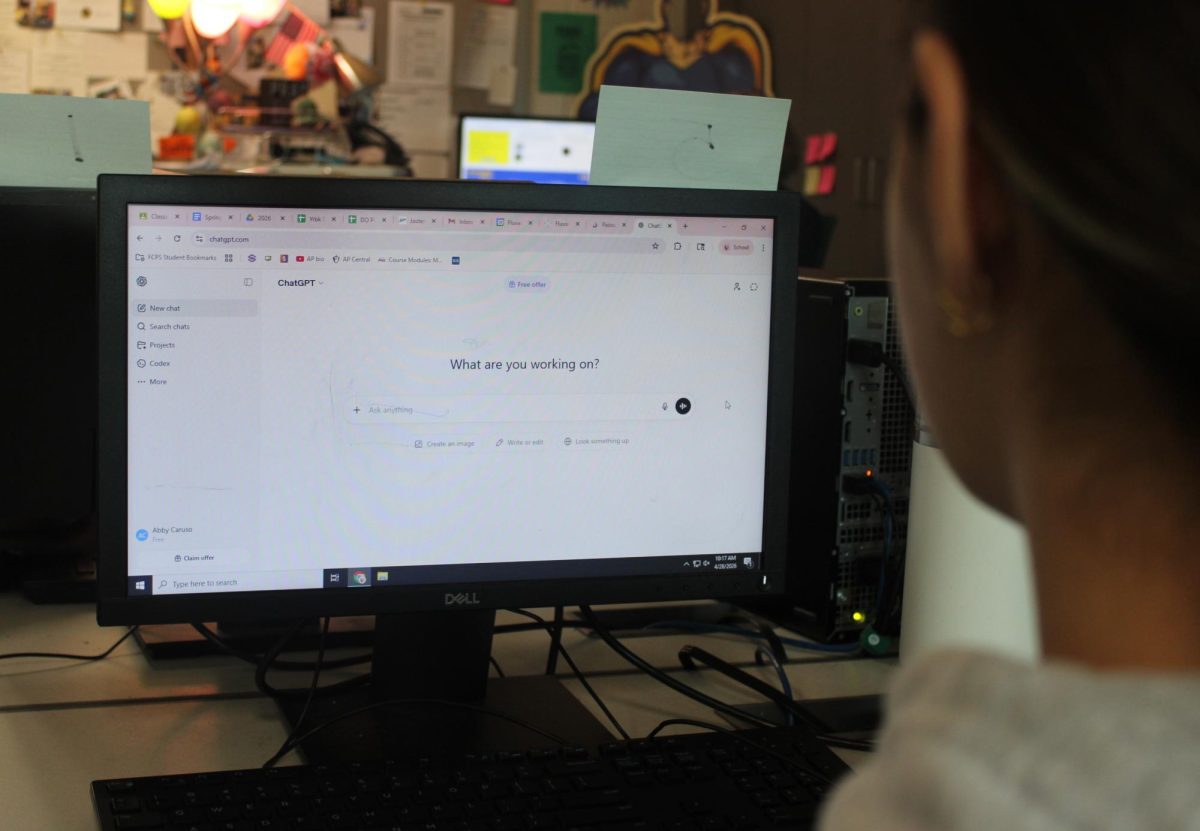
We live in a world that celebrates the new. Each year, smartphones grow smarter, apps faster, and our homes more automated. Yet in the shadows of this digital convenience lie the relics of a different era—technologies that were once revolutionary, even life-changing, but now sit in dusty attics, thrift stores, or fading memories. These are the ghosts of gadgets past: the tools we loved, relied upon, and ultimately abandoned.
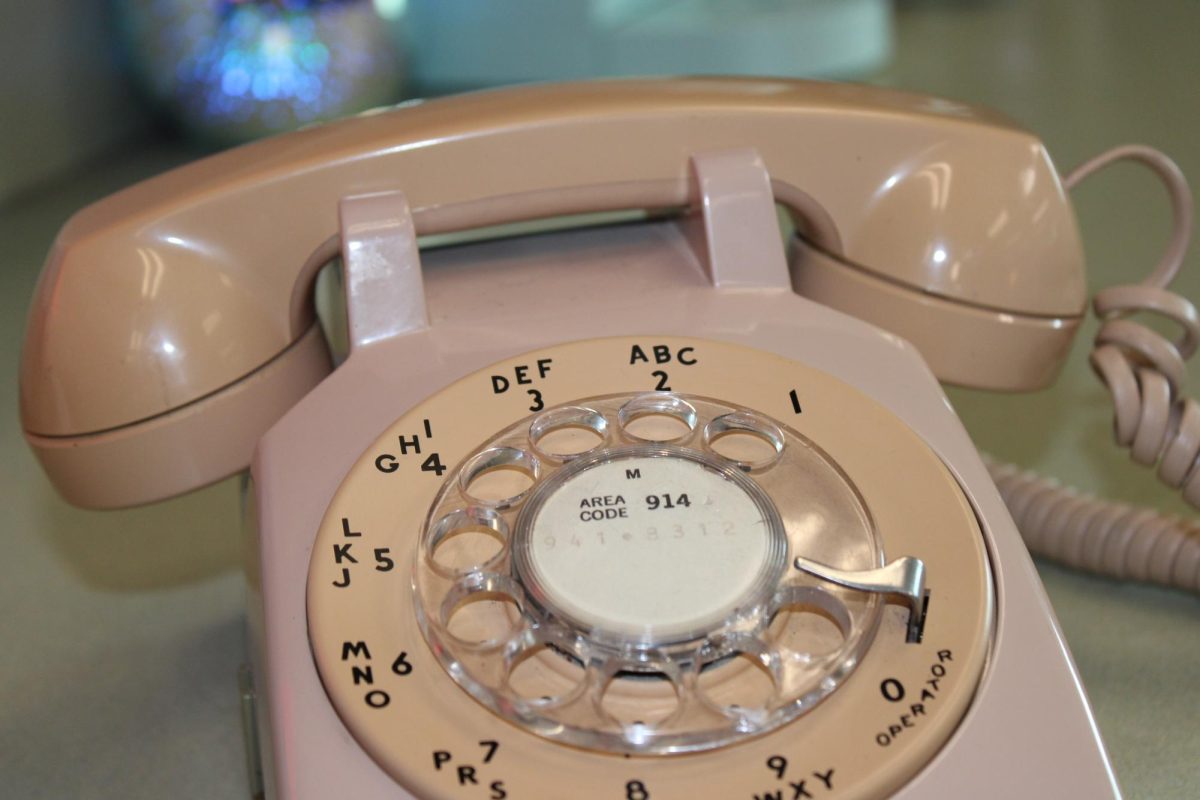
Remember the tactile clack of a typewriter? Before laptops and tablets, words were hammered onto paper, each keystroke permanent and deliberate. The typewriter required patience, care, and thought in every line—an intimacy with words that modern keyboards cease to replicate. Consider the humble rotary phone—its circular dial a tiny exercise in patience as each number clicked into place. Calling someone wasn’t instantaneous; it was an intentional ritual now lost in memories.
Then there’s the story of technologies that promised to change everything, but ultimately vanished. Betamax, LaserDisc, and MiniDisc—each one hailed as the future of media—succumbed to timing, marketing, or shifts in consumer tastes. Google Glass, the futuristic eyewear of the 2010s, flared briefly when society realized it wasn’t ready to live beneath a constant lens. These weren’t simple commercial failures; they were artifacts of ambition, snapshots of human imagination that arrived just a little too soon or lingered too long.
Not all technologies were doomed and disappeared in dramatic fashion. Some slipped away quietly, replaced by better, faster, more convenient tools. Floppy discs, carbon paper, and slide rules fell helplessly to cloud storage, printers, and calculators. Iceboxes were replaced by refrigerators, payphones by smartphones. Each obsolescence tells a story of adaptation—but also of forgetting. How much can we continue to lose as speed and efficiency replace tactile experience, patience, and manual skill?
And yet, lost technology is not always lost forever. Nostalgia has a strange power, resurrecting the objects we once discarded. Vinyl records spin again. Mechanical keyboards clack in offices. Film photography captures moments in ways digital sensors fail to replicate. The old is cherished precisely because it is slower, imperfect, and human.
Perhaps there is a lesson in these vanished machines. Technology is ephemeral, not eternal. What we cherish today may be irrelevant tomorrow. The discarded technology of yesterday reminds us of the physical, deliberate, and often beautiful ways humans once interacted with the world. We’re reminded that convenience is a trade-off, and that progress, while dazzling, always comes at the cost of something irreplaceable.
In the end, our discarded gadgets are more than outdated tools; they are artifacts of human ambition, creativity, and impermanence. They whisper stories of who we were, how we once connected, and how we used to dream. While we may never touch a rotary phone or type on a mechanical typewriter in our daily lives again, the echoes of their presence can help remind us that technology is never truly lost—it simply waits for someone to remember.