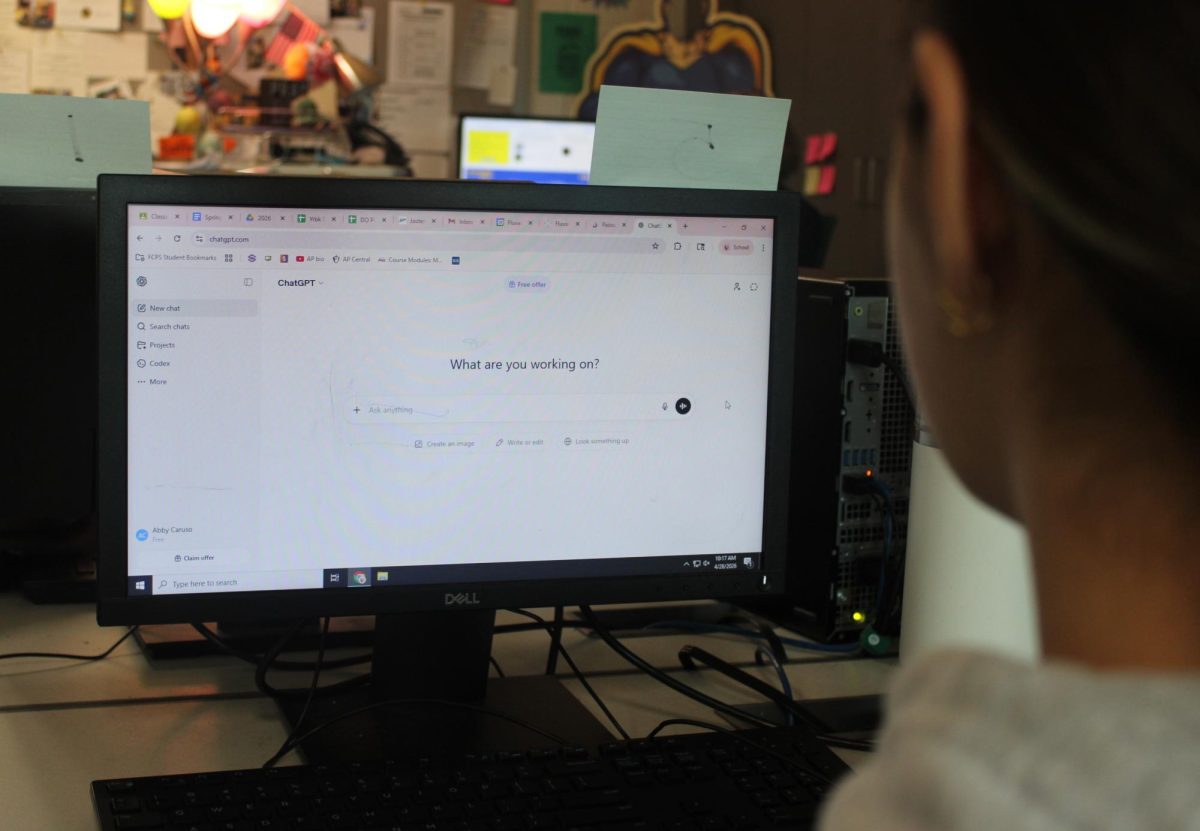
In recent years, the way students have learned has changed dramatically. With technology taking over students’ learning style, and the impact of events like COVID-19, many schools have introduced remote learning as an alternative way for students to learn, rather than the traditional classroom learning system. One recent example at FCHS was when an anticipated snowstorm on Jan. 29 meant that the high school had teachers prepare two days’ worth of remote learning assignments for students. But while some students enjoy the freedom of learning at home, others feel they still learn better in a classroom.
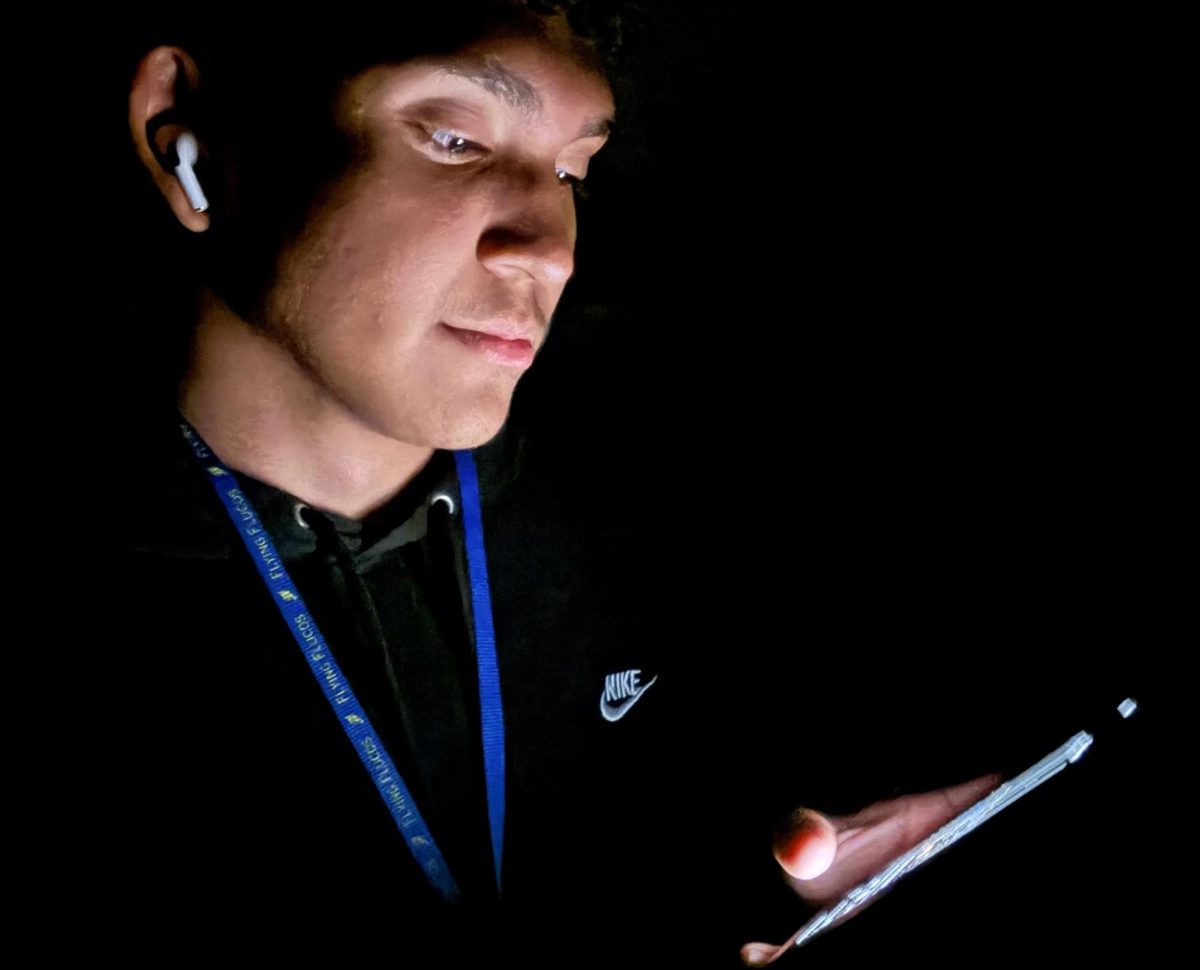
“I felt like I learned more with in-person classes, because in remote classes, it made me feel like I wasn’t really involved in the class, and that made me not interested in trying to learn. In-person classes make me feel involved and give me no reason to get distracted and find something else to do. Also, in person helps me because I’m more of a visual person. I like examples, and my teacher wrote [examples] on the board,” said FCHS senior Matthew Rea.
Many students face a similar challenge during remote learning: how to stay motivated and continuously pay attention in class. Without the rules of a classroom and the presence of teachers to push them, some students find it harder to focus on assignments and participate in class activities. Without being in an actual classroom, some students find it hard to stay focused and do their work. Most students would have distractions at home, like phones or family, and not being around people and teachers in person can make students feel less engaged.
“The biggest challenge I faced was staying in class because my PlayStation would just be right next to my desk, and I knew if I had no real work that day, I would just leave to call and get on the game. It was so bad that a teacher emailed my mom and said I only stayed in her call for 13 minutes instead of the 30 she was teaching. While I’m actually in the classroom, I don’t have those distractions near me or have the power to just leave class,” said Rea.
Junior Micquan Glover had a similar experience. “The first remote class I took was in 7th grade, and my motivation was not very high; I was failing every class. The participation was not very good. I did things like oversleep or skip class,” he said.
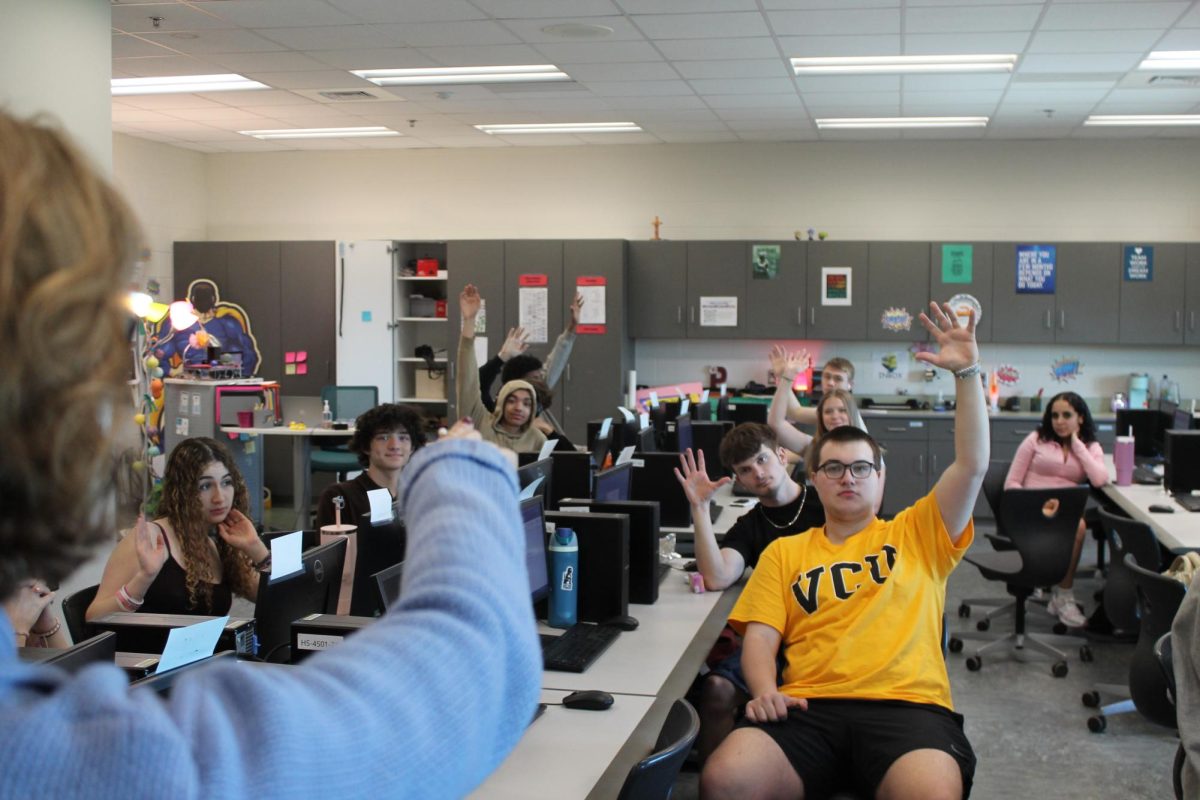
Others say that they miss the feedback and assistance they can get from being in school.
“Overall, I prefer in-class learning because I can ask questions and get immediate, in-person responses from the teacher,” said junior Trevor Metcalf.
Ultimately, few students who experienced ongoing remote learning during the COVID lockdowns appear to have any desire to repeat the experience, at least long-term.
“I think that virtual learning was such a joke when I had it in 7th grade, and when I got to 8th grade, I was a little behind with some things because learning just online is hard,” said Rea.