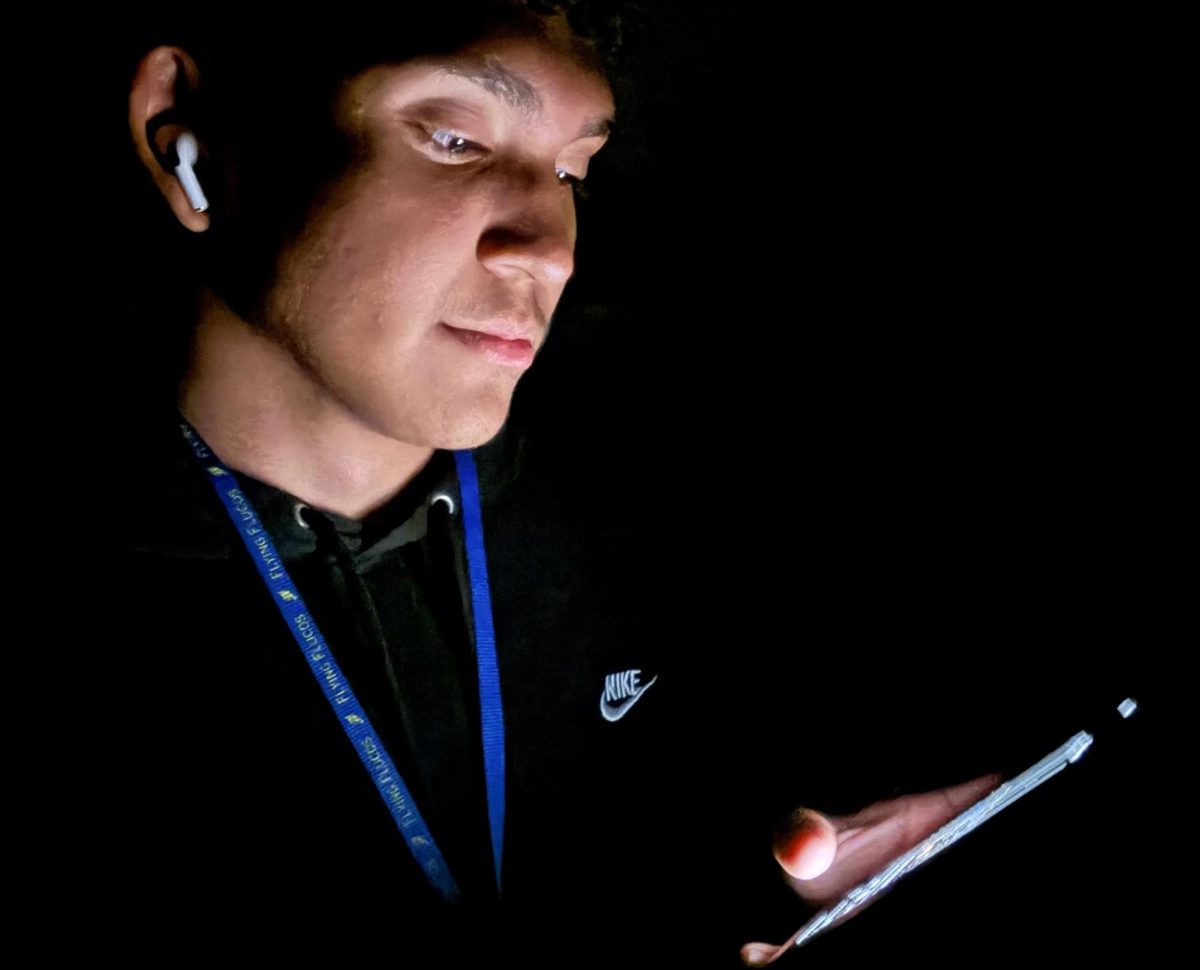
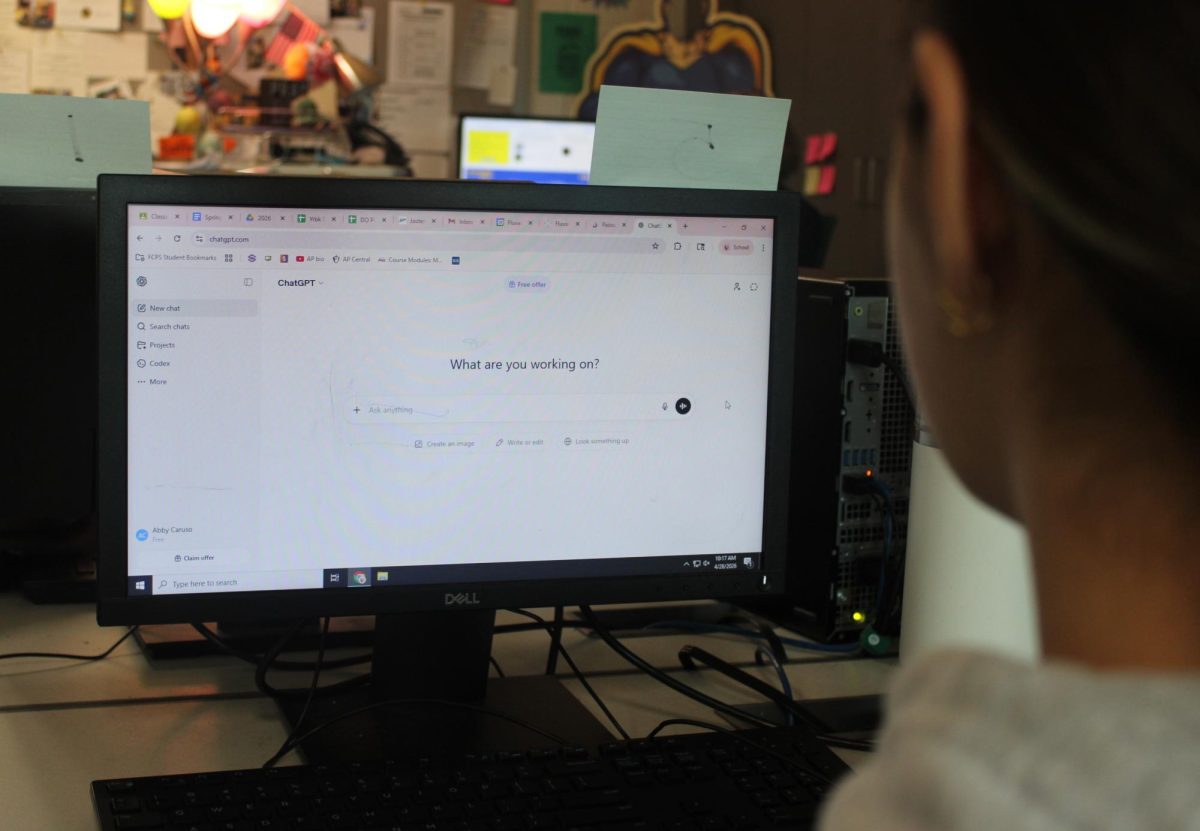
In today’s world, one of the most pressing issues facing teenagers is their lack of excitement about the future. Unlike previous generations, who often felt a sense of optimism about what lay ahead, many of today’s teens express anxiety, fear, and uncertainty. From climate change and economic instability to social media pressure, and a rapidly evolving job market, the future can feel less like a place to look forward to and more like a daunting unknown.
One major factor contributing to teens’ struggle to imagine a bright future is the overwhelming sense of responsibility they feel for the planet’s future. Climate change, environmental degradation, and the fear of ecological collapse sit heavily on young people’s minds. They see wildfires, flooding, and extreme weather patterns in their own communities, and the threat of global warming looms large. Constant news coverage reinforces this crisis, making teens feel helpless as they see their planet in peril.
Adding everything together can begin to feel like a burden. This burden is intensified by frustration towards older generations who have failed to make meaningful progress. With world leaders making slow, often ineffective strides to combat climate change, it’s no surprise that many teens feel that anger. It’s not just about what their future will look like–it’s about whether there will be a livable future to look forward to.
Beyond environmental concerns, many teens also face anxiety about their economic future. Growing student debt, inflation, the rising cost of living, and an uncertain job market all contribute to the stress teens feel when thinking about what lies ahead. Many fear that even if they pursue a higher education, they will be burdened with debt and have few opportunities to secure stable, well-paying jobs.
In fact, the gig economy and the rise of automation have made it increasingly difficult for young people to envision a clear career path. The idea of working in one stable job for decades, as many of their parents did, now feels outdated. The future looks fragmented and unpredictable, and without clear, reliable pathways to success, it’s hard for teens to show much enthusiasm for what’s next.
In an age of constant connectivity, social media can be both a blessing and a curse. It provides teens with a platform to connect, share ideas, and organize movements for social change. However, social media can also often fuel unrealistic expectations and constant comparisons. Teens are bombarded with curated images of success, beauty, and perfection. In such an environment, it’s easy to feel disconnected from the idolized futures presented online.
The pressure to “have it all figured out” by a certain age is intensified by the constant sight of peers achieving things that seem unattainable. Instead of feeling motivated, many teens experience burnout and frustration when their lives don’t seem to match the glossy pictures of success they see online. This sense of inadequacy can make the future feel more like a place of judgement and less like a place of opportunity.
In addition to the pressures of the outside world, many teens today struggle with a sense of disconnection from the larger society. Their voices often feel unheard, their concerns dismissed. Whether it’s the fear of lockdowns in schools, the threat of political instability, or the increasing visibility of hate and division in society, it’s easy to understand why so many teens feel a sense of despair about the future. They see a world that is fractured, polarized, and at times, hostile to the very values they hold dear.
The rise of online communities and virtual interactions, while offering teens a sense of belonging, has also led to a detachment from real-world experiences. This disconnect can contribute to a sense of disillusionment, making the future seem like an extension of an already fragmented present.
Despite the challenges, it’s not all doom and gloom. Many teens, even in the face of adversity, are actively fighting for a better future. They are organizing climate strikes, pushing for mental health awareness, and advocating for social justice. For this to be truly effective, society must listen to their concerns and take real, meaningful action. It’s not enough to simply tell young people to “look on the bright side” or “keep pushing forward.” Adults need to take concrete steps to show that the future generation’s voice matters and that the future they envision can be built.
Adults and policymakers must take responsibility for the world they are leaving behind. It’s no longer enough to think about the future in terms of economics and growth–it must also encompass sustainability, equity, and well-being. If teens are to feel hopeful about the future, they need to see their concerns reflected in policies that promote social, environmental, and economic justice. They need to feel that the future is not a distant, unachievable dream, but a real, tangible space they can shape.
It’s clear that the future looks different for today’s teens than it did for previous generations, but with the right kind of support, attention, and action, it’s possible for them to regain a sense of hope. The future may not look like it once did, but it can still be something worth looking forward to if we work together to make it that way.