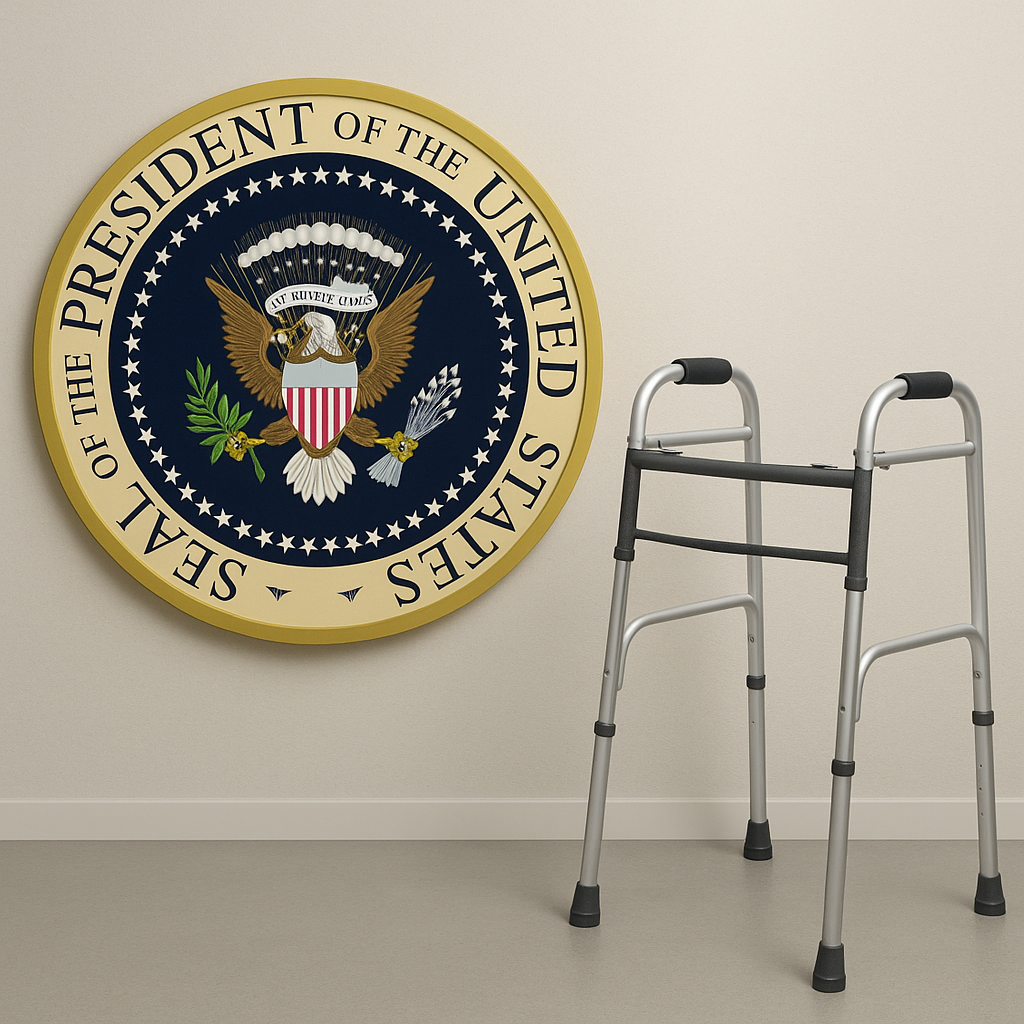
Americans are seeing an era of unprecedented gerontocracy, having the oldest president in U.S. history and aging Senate leaders, many of whom are in their late 80s and early 90s. The 10 longest-serving, current members of Congress have all been in office for 40 years or more. Senator Chuck Grassley (R-IA) has been in office for 50 years, while Senator Ed Markey (D-MA) has been in office for 48 years.
Although many older Americans remain active and capable, placing an upper age limit on U.S. elected officials could strengthen democratic representation, improve government performance, and better reflect the needs of a rapidly changing nation.
Natural age-related changes can affect memory and cognitive abilities in a variety of ways. The U.S. already uses age-related rules in other high-risk fields, such as airline pilots having a mandatory retirement age of 65. Some federal judges also assume senior status to reduce their workload. These precedents show that age-related limitations are considered public safety, not discrimination.
The median age in the U.S. is 39, according to census.gov. The median age in Congress, however, has been 57-65 in recent years, and many powerful committee chairs are well into their 70s and 80s. Some argue that issues centered around younger Americans, like housing affordability, climate change, student debt, and workplace changes, tend to be handled with less urgency by these older chairmen.
From the founding fathers to today, American civic culture has always warned of “permanent incumbency,” as those already in power have a greater chance of keeping office due to greater name awareness. This can make elections less competitive and reduce the ability of younger candidates to achieve office.
Candidates’ health concerns often remain hidden from the nation when they occur to prevent fear. American political culture encourages projecting strength, plus the advantages of incumbency are feared lost when a long-term office holder admits to–or is forced to admit to–reduced mental capabilities. Late disclosure of health issues has occurred on both sides of the political spectrum, such as when President Joe Biden was practically forced to withdraw from his second run for office roughly 100 days before the election, but the results are rarely positive for the party in power.
Age limits could help guarantee regular leadership change, independent of party control, and ensure that office holders no longer have the option of remaining in office long after they should not.
Some people may say, “Age limits violate democratic choice,” but this is simply blasphemous. Voters already face a lower age minimum, as presidents must be age 35 or older, senators age 30 or older, and representatives age 25 or older. If age is restricted on one side of the spectrum, why not on the other? Age restrictions should be understood as eligibility rules, not as censorship, offering a clear safeguard for an effective, healthy democracy.