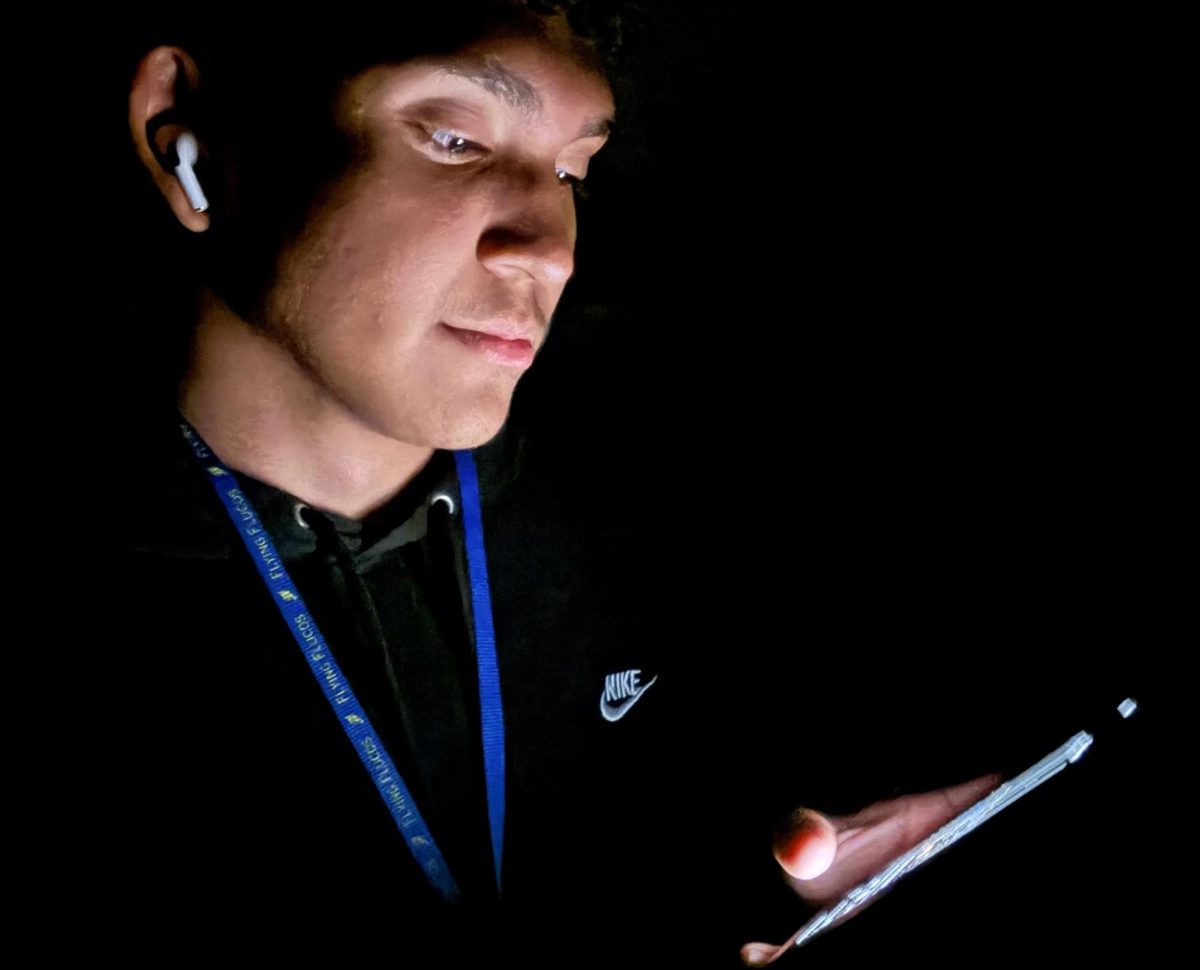
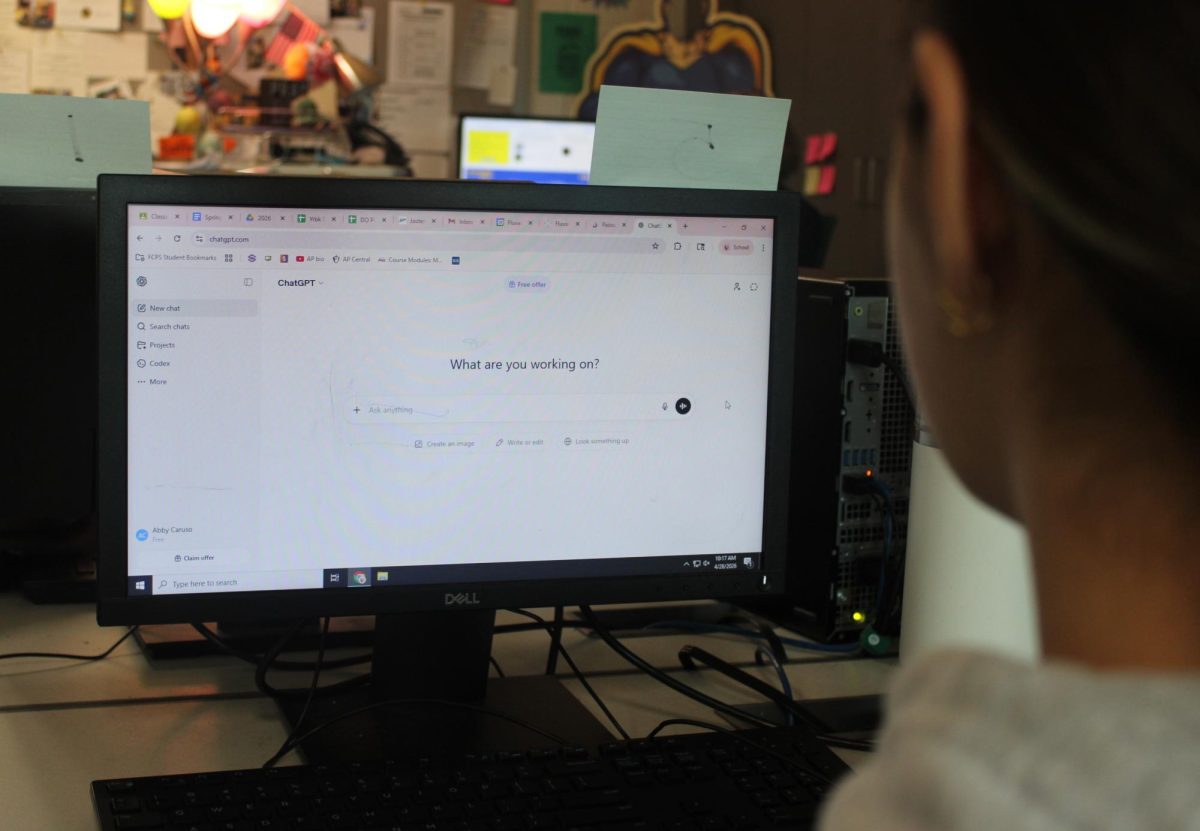
Mental health struggles can affect anyone, but teens and children can be overlooked when it comes to mental health, especially during the school year. The stresses of deadlines and stacked-up work, and the anxiety of having to be around people daily, can be detrimental to the mental health of students, some of whom may be going through silent battles.
According to the World Health Organization, one in seven 10-19-year-olds experiences a mental disorder. One of the leading stressors for this age is academic pressure and the demands and expectations that come with it. At school, students face immense pressure to be sociable and to do everything but fail.
Some argue that schools should implement mental health days, excused absences for students to focus on their mental health. I agree. Such days could be beneficial in so many ways, by reducing burnout, promoting healthy self-care skills, and helping children create healthy coping mechanisms. Being able to take an excused mental health day from time to time can help students better deal with those stresses, rather than being forced to persevere and put on a fake smile.
As someone who deals with mental health problems, I understand the impact of these stressors and can advocate for the students who do as well. Although academic pressure plays a big role in damaging teens’ mental health, it’s not the only cause; environmental and social factors may play a big role too.
However, some argue that such mental health days can become an excuse for students to get out of school.
“I do see how mental health days could be taken advantage of due to all the distractions it can lead to,” said FCHS senior Taylor Marin.
Although I can see how some could say that it’s a distraction or an excuse, I stand by my belief that mental health is indeed an important topic that should not be overshadowed. Viewing students’ concerns about their mental health as a “joke” can lead to them developing unhealthy habits and coping mechanisms. It can make them feel silenced, as if they don’t matter. It can also lead to other serious problems like suicide and self-harm.
Although student mental health days have been implemented in certain states, not every state is on board. Virginia is one of 12 states that have passed legislation or adopted policies that allow students to take time off for mental and behavioral health reasons. Virginia Code § 22.1-254 states, “Subject to guidelines established by the Department, any student who is absent from school due to his mental or behavioral health shall be granted an excused absence.”
However, 38 states have no specific legislation on the matter. This shows that not every state, and not every student, has access to something that could be considered the bare minimum in regard to students’ mental well-being. Indeed, students can reach a breaking point when they aren’t given the correct tools and coping mechanisms to control their emotions. Not talking about it can lead to more serious problems.
“I feel like people who go through struggles will tend to bottle it up, and it will get to a point where it’s too late,” said senior Lily Calvo.
Having a greater emphasis on mental health days could actually increase students’ academic performance, as well as help others feel like their feelings are taken into consideration, not just discarded.
“I think that more states should be open to a few mental health days in a year. I understand they don’t always want people taking off, but I do believe that it could gradually help people mentally,” said senior Victoria Scotto Di Vetta.
My own experiences with anxiety have caused me to miss countless days of school, starting from eighth grade to the present. I believe that if students had greater access to mental health days, it could change the world for the better. I know it would have for me. I hope that in the future, more children are given access to these mental health days. It could save lives.