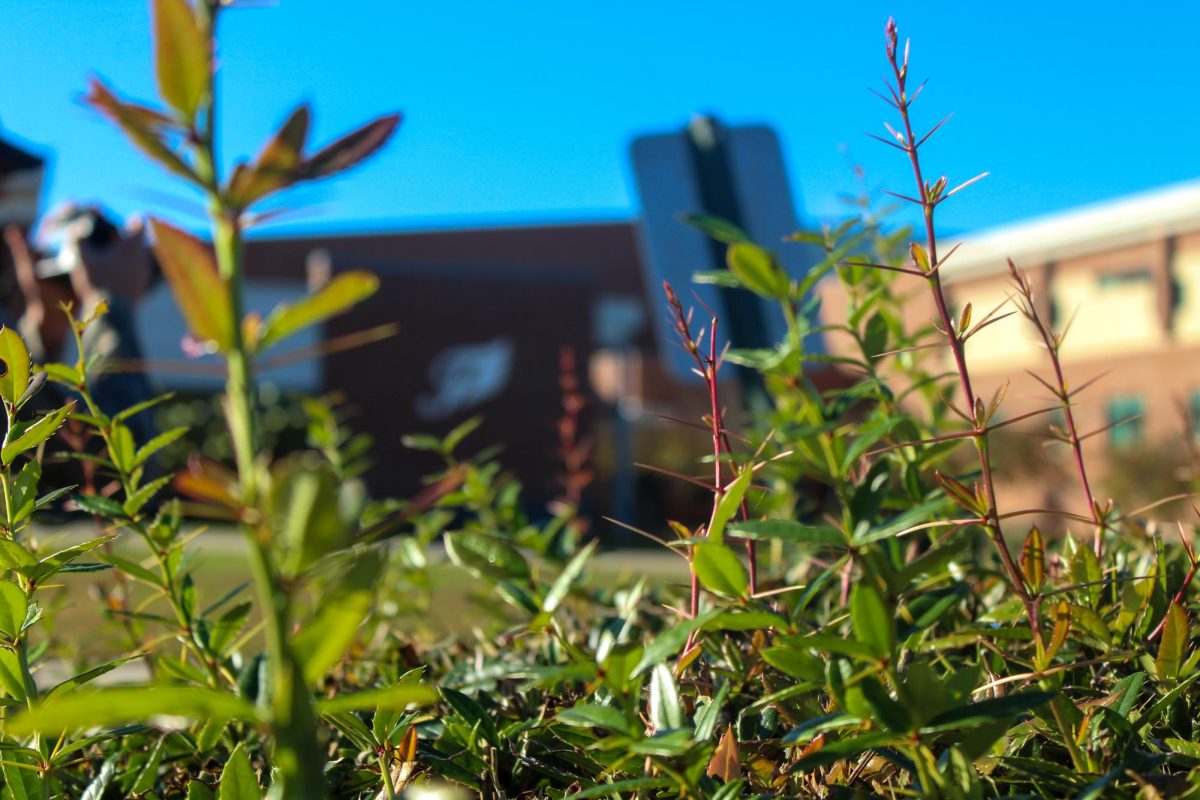
Living in a small town made life simple for Jacob. Everyone knew each other, and nothing was too far for his legs to carry him. For twelve years, he walked to his K-12 school along the same route, following the same routine. He’d leave his house at 7:45, cross paths and wave to his neighbor walking their dog, stop by the local pharmacy to grab a Kit Kat that always satisfied his sweet tooth, and arrive at school fifteen minutes before the first bell to read a little of one of his books.
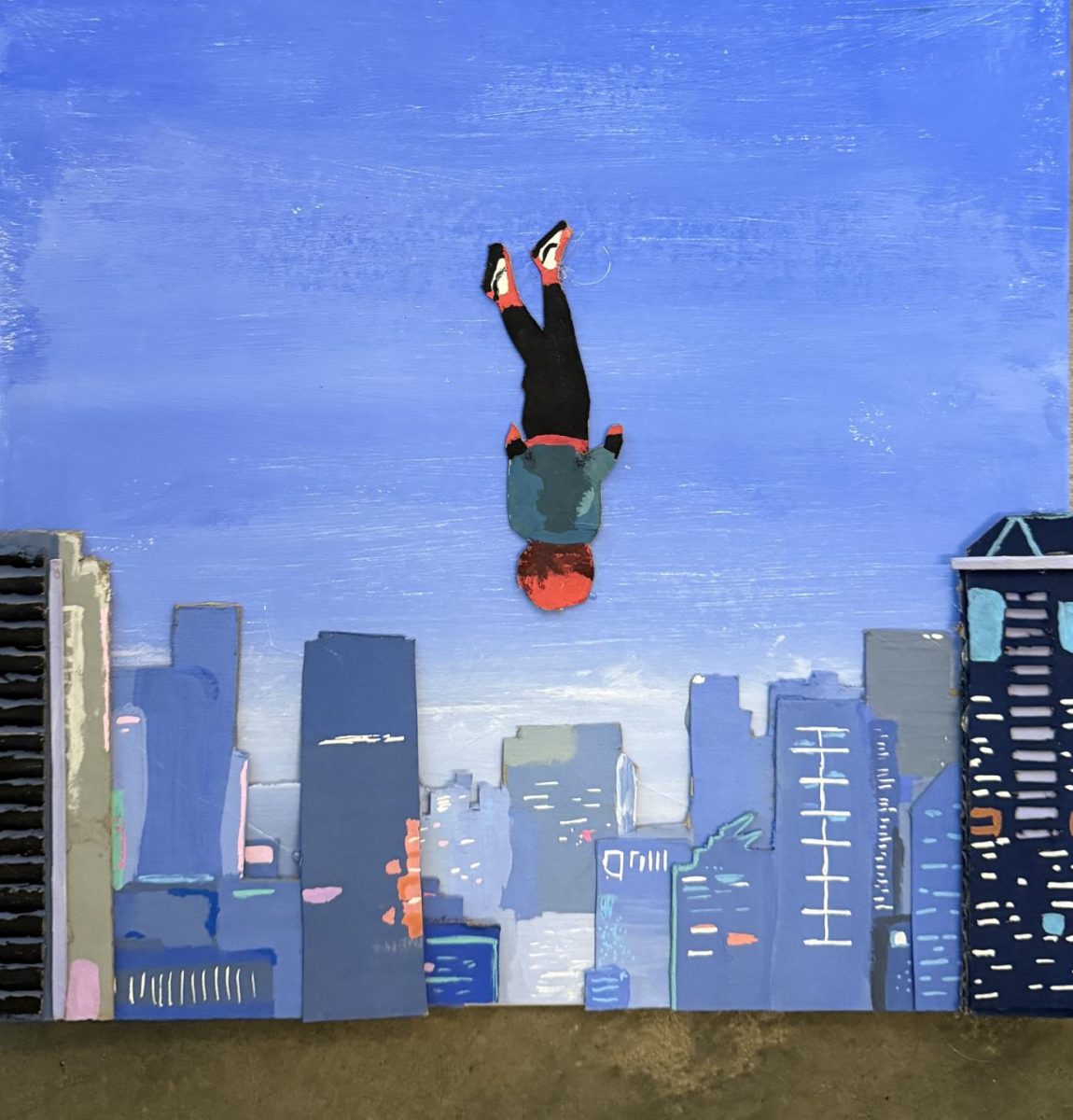
By sixth grade, he started to notice changes happening right before his eyes. Freshly paved roads with bright yellow markings replaced the dirt roads that once kicked up clouds of dust if you walked too fast. While the efficiency might have excited others, it made Jacob uneasy. Arriving at school thirty minutes early instead of fifteen left him with too much time for a routine that suddenly felt out of place. So, he decided to sleep in for fifteen more minutes.
For the next couple of years, Jacob was still able to wave to his neighbor, but instead of crossing paths, he had to shout as they walked back home. At first, it felt strange, but it allowed him to maintain their interaction, grab his sweet Kit Kat from the pharmacy, and still have fifteen minutes to read.
Year ten brought bigger changes. Jacob caught sight of a new Walmart that replaced his beloved locally-owned pharmacy. The parking lot expanded, and with it came rows of cars. The inviting atmosphere of the pharmacy turned into a chaotic environment, filled with customers arguing over high prices and out-of-stock items. That quick trip for a candy bar became a frustrating fifteen-minute wait in line. By the time Jacob entered his classroom, the bell had rung, eradicating his reading time before class.
On his first day of twelfth grade, Jacob was excited to tell his neighbor good luck in his last year. But instead of a friendly wave and a wagging tail, he was met by an ambulance carrying the body of someone he had seen every day for the past twelve years. For the first time, the road felt completely silent. The routine he had once known was completely shattered, and so was his heart.
Now, five years later, as he walks down the same road that once made him want to sleep an extra fifteen minutes, Jacob holds a dog leash in his hand—a reminder to cherish every memory made along the way. Towns eventually turn into cities, routines don’t always last, and individuals don’t stay forever, but memories continue to walk beside us. Time moves on, but the way it is spent is what makes it meaningful.